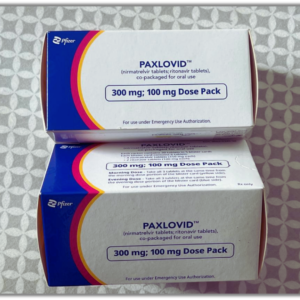
PAXLOVID: LOWER RISK OF SEVERE COVID IN PATIENTS WITH UNDERLYING CHRONIC CONDITIONS


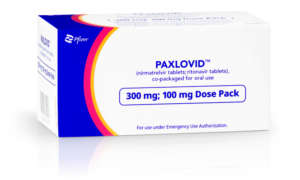
Paxlovid reduces risk of severe COVID-19 in patients with chronic health condition a new study finds. The study which was conducted by researchers at Harvard University was published in June 2023 in the Clinical Infectious Diseases Journal. This investigation will contribute to proper use of the antiviral medication in the treatment of patients in the most cost effective manner.


This study is important because as governments funding for COVID-19 treatment reduces, cost of the medication is likely to increase. This means Clinicians need correct information on cost effective means to treat COVID-19, prescribing antiviral medications for those who need them the most. The study was needed because the effect of Paxlovid on COVID-19 outcomes in younger vaccinated adults are unclear.


Researchers in the study assessed outcomes among two groups of 2,547 COVID-19 patients aged 18 to 50 years. Paxlovid was linked to a 30% lower risk of all-cause emergency department visits, hospitalization, and death among vaccinated, non-hospitalized COVID-19 patients with serious chronic conditions. In addition, Paxlovid recipients had lower rates of constitutional, cardiovascular, and respiratory symptoms than controls.


For further information on the findings of this study visit here.

To get assistance on how to get Paxlovid please call +2348160962414 or visit here


3 THINGS YOU SHOULD KNOW ABOUT PAXLOVID


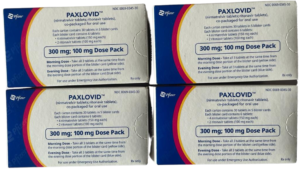
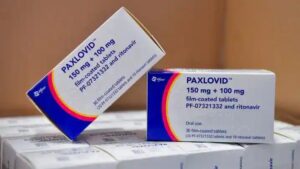
Paxlovid is an oral antiviral medication for the treatment of COVID-19. It was developed by Pfizer for the treatment of mild-to-moderate COVID-19 in adults at high risk for severe disease, including hospitalization and death. The Food and Drug Administration (FDA) first made Paxlovid available in December 2021 under emergency use authorization for high-risk individuals ages 12 and above. Paxlovid is a very important drug to save the lives of people infected by COVID-19. Here are three things you should know about Paxlovid.

When should you take Paxlovid ?

You should take the medication within five days of developing COVID-19 symptoms. This is because once you’ve been sick due to the virus for more than a week, the medications won’t be able to restore the damages the virus must have caused to your body.

How long should you take Paxlovid ?

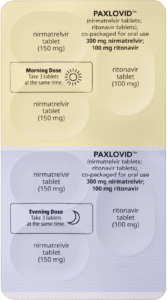
The medication should be taken for a duration of five days. Your healthcare provider will recommend you take three Paxlovid pills every 12 hours for five days to get the full benefit of the medication.

Where can you get Paxlovid ?

You should be able to get the medication from your hospital or neighborhood pharmacy. However, due to scarcity of the medication only few healthcare facilities might have it available at the time when it is urgently needed.

For further information on how to get Paxlovid please contact us on 08160962414 or visit here for assistance.


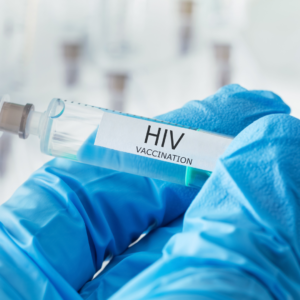
WE ARE CLOSE TO GETTING A VACCINE TO PREVENT HIV


Professor Tomas Hanke of the Jenner Institute led Clinical trial shows encouraging results. The trial was conducted across four sites in Kenya, Uganda, and Zambia, and ran from August 2021 to November 2022. It aimed to assess the safety and efficacy of the HIV vaccine candidate.


This study was important because there is need to have diverse HIV vaccine candidates in the pipeline to ensure we have the greatest chance of success in developing an effective HIV vaccine. The trial aimed to evaluate the safety and efficacy of the HIV vaccine candidate. A total of 88 participants were enrolled, and it was funded by the European and Developing Countries Clinical Trials Partnership (EDCTP).


Dr. Paola Cicconi, a Chief Investigator of the trial said: ”The vaccines used in this trial have demonstrated a favourable safety profile and induction of immune responses in most of the participants. These are promising results, and an important step in developing an HIV vaccine that can protect people against HIV infection in all parts of the world.”


For further information on the study visit here.

HOW TO MANAGE YOUR TRAVEL HEALTH CONCERNS

Elderly clients with travel health expert


Traveling to another country comes with several health concerns. Today, I will discuss three things you can do to manage your health concerns.


1. Consult your travel health expert to assess your travel health risk

Travel health experts are healthcare professionals with vast amount of knowledge and experience in national and international travel health guidelines. The travel health expert you consult can help you assess your travel health risk based on prevalent diseases in your travel destination and your health status.


2. Get informed on your travel risks

Your travel health expert won’t just assess your travel health risk, but will proceed to inform you of these risks. For example, if malaria was common in a particular country you intend traveling to, your travel health expert will let you know.


3. Solutions to manage and mitigate your travel health risks

After assessing and informing you of your travel health risks, you will be informed on what to do to manage or minimize the impact of these risks on your health. If malaria is endemic in the proposed travel destination, your travel health expert will recommend the right  antimalarial medication you should take to prevent malaria infection, when to start your medication, and how long you should take your medications.


For more information on this you can visit our YouTube channel here 


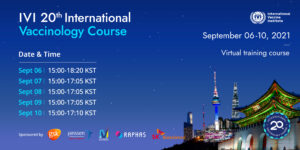
International Vaccinology Course

International Vaccine Institute: International Vaccinology Course


The five-day course will be held virtually and free of charge. Participants will gain a comprehensive over view of vaccinology with a focus on COVID-19, featuring lectures from distinguished experts across global health and vaccine organizations including WHO, GAVI, CEPI, U.S National Institute of Health, National Vaccine Institute Thailand, Wellcome Trust, London School of Hygiene & Tropical Medicine, Harvard University, IVI and many more.


Find out more about the course and how to register for free here.


To learn more about vaccines and opportunities in the field of vaccinology follow us:


Facebook: @inocul8

Instagram: @inocul8

Twitter: @inocul8N

HPV and throat and neck cancer: What you should know

The oral Human papillomavirus (HPV) can be gotten through oral sex. But what are the implications of oral HPV infection? Are there ways to prevent it? These are the key questions we will be answering on this article.

HPV is a very contagious virus, with over 100 strains that causes numerous diseases such as genital warts, cervical cancer, and other cancers such as cancers of the anus, vagina, vulva, and penis.

It will be very important to note that HPV is responsible for over 70% of throat and neck cancer, what medically is called ‘’oropharyngeal cancer. ‘’ However, other factors such as smoking or chewing tobacco, alcohol use, and gastroesophageal reflux disease might be contributing factors.

In addition, after infection this cancer takes years to develop and it is a very difficult cancer to screen for, so unlike cervical cancer which can be detected on time by doing a pap smear or HPV test, there isn’t a known test to detect throat cancer in a timely fashion, but physical assessment by your doctor or dentist during a regular visit for check-up especially when you are experiencing symptoms such as chronic cough, ear pain, difficulties when swallowing, prolonged sore throat, throat pain, voice changes, lumps or swelling in the throat or lymph nodes, and unexplained weight loss might be very helpful. More so, some persons might not experience any symptom.


How do we prevent throat infection by HPV?

It is the dream of everyone to lead a happy life and be here for our loved ones, friends, and families. Preventing the suffering and pains associated with infectious diseases is important in achieving our dreams. There several ways to prevent HPV infection of the mouth and they include: quit smoking, stop or reduce intake of alcohol, make use of Dental Dams, but one of the most effective way is to get vaccinated against HPV; there are about three major vaccines but the human papillomavirus 9-valent vaccine is the most effective means.

To find out how to get vaccinated contact Inocul8 on 08160962414 or send us an email on [email protected]


Hepatitis B: Have no cure but you should know this!

Most times when people test positive for viral hepatitis B; they begin to wonder how they got it? So many questions start to run through their mind. In this article, we are going to discuss mother-to-child transmission of hepatitis B virus infection , how it might be a cause of hepatitis B in people who don’t know how they got the virus, and how it can be prevented.

When Dayo was first told by his Doctor that he was hepatitis B positive, the first questions from him was ” what is hepatitis B? how did I get it? ” he asked.

”Hepatitis B is an infection caused by the hepatitis B virus (HBV) transmitted via infected blood and body fluid” he was told.


But how did he get it?

There are several ways a person can contract hepatitis B virus infection, but mother-to-child transmission is one of the most common routes.

When a woman is pregnant, at her first prenatal (during pregnancy) visit to the clinic, she is screened for viral hepatitis B – this ensures early detection.


Why is this important?

It is estimated that 90% of children who contract hepatitis B from their mother during the process of childbirth will go on to live with it for the rest of their lives.

Furthermore, the risk of mother-to-child transmission is significantly higher in expectant mothers who have plasma HBV DNA levels greater than 2,000 IU/ML and/or are hepatitis B envelope antigen-positive (HBeAg positive).

In the absence of antiviral therapy and immunoprophylaxis (hepatitis B vaccine and hepatitis B immunoglobulin) about 70% to 90% of babies born to hepatitis B envelope positive (HBeAg positive), mothers might become positive for hepatitis B.


What can a family do to prevent their infant from getting infected with hepatitis B, if a mother is hepatitis B positive?

First, ensure an expectant mother get screened for hepatitis B and knows her status before term.

Secondly, antiviral therapy to prevent mother-to-child transmission should be initiated according to experts during week 28 to 32 of gestation, if a mother HBV DNA level is greater than 200,000 IU/mL and it should be discontinued at delivery, however, there are other factors to be considered.

Additionally, positive women who don’t meet the above criteria should monitor their status by doing a liver function test every 3 months during pregnancy and every 6 months after giving birth – the level of Alanine aminotransferase enzyme (ALT) has a lot to reveal.

Lastly, the baby should receive birth dose hepatitis B vaccination and hepatitis B immunoglobulin (HBIG) within 12 hours of birth: this reduces the risk of a baby contracting hepatitis B by at least 92%.

In conclusion, chances are high Dayo must have gotten hepatitis B as a child from his infected mother, his condition was asymptomatic, and he got to discover his status 20 to 30 years later.


For enquiry contact Inocul8:

Mobile/WhatsApp: 08160962414

Email: [email protected]

SHE NEVER KNEW SHE COULD GET CERVICAL CANCER

It all started as pain during sexual intercourse with her partner, then she started noticing abnormal vaginal bleeding between periods, unusual vaginal discharge, and heavier periods – these made Vivian very troubled and uncomfortable, and prompted her actions to seek help medically.


On visiting her doctor, she was interviewed, examined, and a Pap smear was conducted. The next day, she visited, her results were ready, and her Pap smear revealed she had abnormal malignant cells in her cervix: a sign of cervical cancer.


Vivian was scheduled for further investigation and subsequently, an operation was done to get rid of the abnormal cells – she was lucky to discover on time when cancer hadn’t spread to other parts of her body (metastasis). After successful surgery, she got vaccinated and lives happily and healthily with her family.


What happened in Vivian’s case?


First, she never prioritized her health; she wrongly thought she could not get cervical cancer because she didn’t have it in her family.


Secondly, she never went for Pap smear screening every 3 years or even HPV test, she never saw a need to get screened: forgetting it’s the best form of prevention.


Furthermore, she never knew most cases of cervical cancer are caused by Human Papilloma Virus (HPV) a highly contagious sexually transmitted virus – There are over 100 strains of HPV but strains 16 & 18 are highly implicated as the major cause of cervical cancer, whereas HPV 6 & 11 cause genital warts.


Fourthly, despite Vivian knew HPV is mostly spread through vaginal intercourse, anal intercourse, and oral sex, and can infect anyone sexually active. What she didn’t know is that – It is not spread through bodily fluid alone hence cannot be prevented completely using a condom. In addition, since HPV is also spread through skin-to-skin contact with an area of the body infected with the virus, thus, never having sex doesn’t guarantee not being infected.


Lastly, she thought she had passed the age to get vaccinated against HPV, not knowing even women up to 45 years can be vaccinated.


To find out more on how to prevent cervical cancer via screening and vaccination contact Inocul8 08160962414.


When a condom is helpless: Genital warts

John a tall and broad-built young man in his early thirties finds himself in a dilemma of genital warts months after having sex with a young lady. Will he find the solution he seeks? Why was condom ineffective in protecting him? This and many more you will find out on this episode.


One cool Monday morning while having his bath, he noticed some soft, moist, pink, and fresh-coloured bumps around his genitals and anus. He was shocked and curious, looked further to inspect what they were but he could not fathom or decipher these irritating (he was trypophobic) horny projection on his skin.


Feeling troubled he decided to do his research on Google, and then he discovered what he was having is similar to what he found on the internet: Genital warts. This was the first time he was hearing about a disease called genital warts.


The more he studied the more he became furious and agitated. He decided to visit his doctor the next day.


Doctor, patient

Hey John what brings you to me today? Hey Doc, there are these strange funny looking kinds of stuff around my genitals, I don’t feel comfortable having them on my body, I did a few findings on the internet and I think they are warts.


Come on John let me assess you. Truly they are genital warts. What must have caused them John asked? You know, unfortunately, more than 50% of sexually active men and women will be infected by the Human Papillomavirus (HPV) at some point in their lives. Warts you see are caused by HPV 6 & 11. The chances of even getting them are higher if you have multiple sexual partners because frequent sexual contact is the most consistent predictor of HPV infection- what I mean is this; the number of sexual partners is proportionately linked to the risk of HPV infection.


But I used protection he screamed angrily! Calm down John, Sadly, condom doesn’t give adequate protection against HPV; HPV is a very contagious sexually transmitted infection that spreads by skin-to-skin contact usually during oral, anal, or genital sex with an infected person. Other types of genital contact in the absence of penetration can also lead to infection – so in this case condom is helpless.


So what do we do now, he speaks in a low tone? There are several ways we go about treatment of warts; we can physically destroy them via electrosurgery, cryosurgery with liquid nitrogen or solid CO2, laser fulguration (drying), or we can apply podophyllum drug or even inject IFN-alpha, these are some of the effective ways to treat. I’ll suggest after successful treatment you get vaccinated to prevent reoccurrence.


Are warts prevented via vaccines he exclaimed!


To be continued….

For free consultation and counseling contact Inocul8 on 08160962414 or [email protected]

HERPES: WHAT YOU NEED TO KNOW AS A WOMAN

Funmi a tall vibrant and charming young lady in her early thirties, who valued friendship and family: not a day went by without her celebrating her friends’ and family’s birthday on her WhatsApp status and Facebook.


One Monday morning as she prepared to head for her office, she noticed a blister around her genitals; it made her uncomfortable- as it was itchy, though she ignored and thought it was normal aftershave rashes she usually experiences- she recently shaved.


A few days later, she noticed more blisters, as the initial one had burst- leading to a painful and unbearable sore-which distorted her movement and made urinating painful as her urine irritates the sore. This time around she knew she had to see her doctor- she scheduled an appointment with him.


On meeting her doctor, Dr. Smith asked her several questions- she told him how she felt- he observed her, and requested for samples to be collected for laboratory investigation via a swab, and promised to follow-up on her via a phone call once her results are out- after arriving at his final diagnosis.


The next day, while lying down on her couch watching Ave and Praggya, her phone rang- it was Dr. Smith’s call- she quickly reduced the television volume to receive his call, and their conversation started.


So Funmi, from the lab results and my initial interview with you, we discovered you are having Herpes! Funmi was marveled and lost, the initial grin she had on her face disappeared instantly. What is Herpes? she responded. Herpes is an infection caused by a virus- the Herpes Simplex Virus (HSV), it affects sexually active people, and there are two major types: HSV1 and HSV2 he told her. HSV2- is what we are going to be managing, and it occurs mostly around the genitals, even the use of condoms doesn’t give adequate protection in preventing it. Whereas, HSV1 occurs around the face and causes blisters around the corner of the mouth – leading to what we call cold sores.


This is strange oh! Where must I have gotten this from? Funmi it’s difficult to know but no need for suspicion- some people have herpes and they never experience signs and symptoms, however, they can spread it to others. Others contract HSV1 from their mothers during the process of childbirth as they passed through her birth canal. Information I feel is important for you to also know is this: you can’t get herpes from toilet seats, bedding, swimming pools, or from touching surrounding objects.


Wait a minute! she took a deep breath, and exhaled before asking- Dr. Smith can it be cured? What can I do to prevent others from getting it? Will it affect pregnancy?


At this point you need to calm down, as herpes is not a big issue as portrayed on the internet- so I will advise you only read about it on professional websites- it will be good if you don’t even search on it, as I will provide you with all the information you need. So back to your questions, unfortunately, herpes can’t be cured, but it can be managed using antiviral medications: this helps prevent transmitting it to your partner or baby when you are pregnant- shortens the duration and reduce the severity of the first herpes episode. Ordinarily, I’ll advise you to avoid having sex when you are experiencing an outbreak (you see blisters, painful ulcers, fever, itching, body aches e.t.c).


As for your last question in the sequence, I will need to talk to you in a face-to-face meeting, for now, take care, and feel free to contact me if you have any questions.


For now, Herpes Simplex Virus doesn’t have a vaccine, but we believe we can help more people prevent and manage herpes by empowering them with the right information, feel free to contact Inocul8 on WhatsApp 08160962414 or follow us on Instagram @inocul8.