
Hantavirus is a rare but serious disease that has gained global attention because it can cause severe lung and kidney problems. Although infections are uncommon, outbreaks can happen in many parts of the world, including Asia, Europe, North America, and South America. Understanding how hantavirus spreads and how to prevent it can help save lives.
What Is Hantavirus?
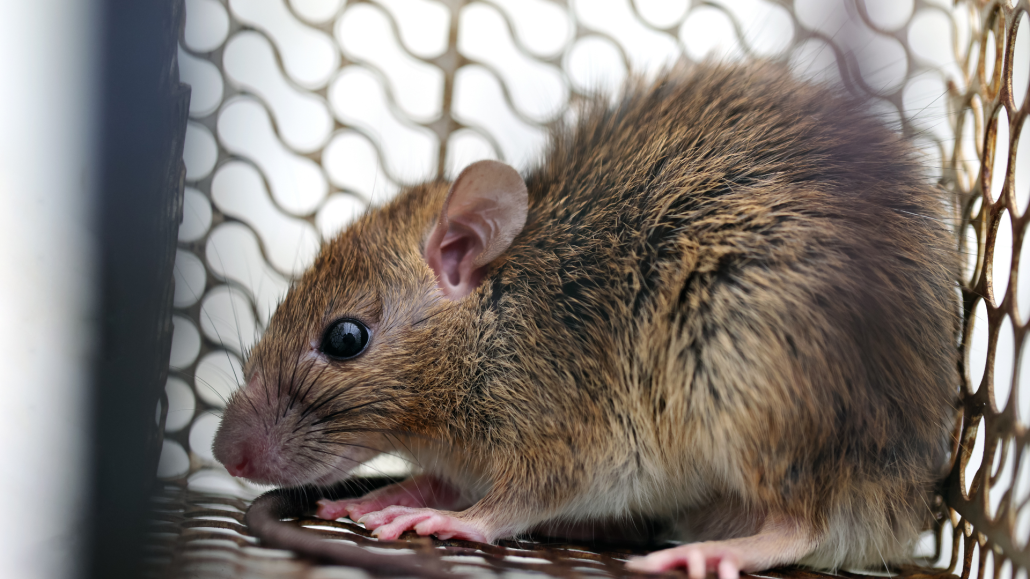
According to the CDC, hantaviruses are a group of viruses mainly carried by rodents such as rats and mice. Humans can become infected when they come into contact with rodent urine, saliva, or droppings. Different types of hantaviruses can cause two major illnesses:
- Hantavirus Pulmonary Syndrome (HPS) – affects the lungs and is more common in the Americas.
- Hemorrhagic Fever with Renal Syndrome (HFRS) – affects the kidneys and is more common in Europe and Asia.
Scientists first identified hantavirus during the Korean War in the 1950s, when many soldiers became seriously ill with fever and kidney failure. Since then, researchers have discovered many hantavirus strains around the world.
How Is Hantavirus Transmitted?
Hantavirus spreads mainly through infected rodents. People usually become infected by breathing in tiny virus particles from contaminated dust. This can happen while:
- Cleaning sheds, barns, or garages
- Sweeping areas with rodent droppings
- Camping in rodent-infested places
- Handling firewood or stored materials
Research on hantavirus spread showed that in rare cases, infection can happen through rodent bites or direct contact with broken skin. Most hantaviruses do not spread between people. However, the Andes virus in South America has shown limited person-to-person transmission.
Signs and Symptoms of Hantavirus
Symptoms usually appear 1 to 8 weeks after exposure to infected rodents. Early symptoms may feel similar to the flu and include:
- Fever
- Fatigue
- Muscle aches
- Headaches
- Chills
- Nausea and vomiting
- Abdominal pain
As the disease worsens, patients may develop coughing and shortness of breath because the lungs begin filling with fluid. Severe cases can quickly become life-threatening.
The WHO Europe states that HFRS patients may also experience:
- Low blood pressure
- Bleeding problems
- Kidney failure
- Blurred vision
- Severe back pain
A study showed, some hantavirus infections have fatality rates between 35% and 50%, especially severe lung infections.
How Is Hantavirus Diagnosed?
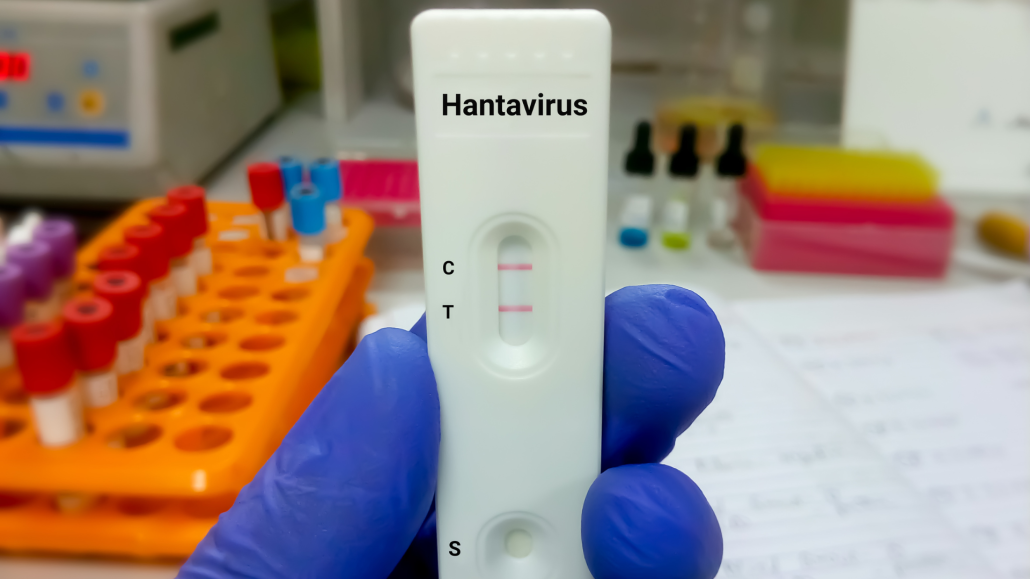
Doctors diagnose hantavirus using:
- Blood tests to detect antibodies
- PCR tests to identify viral genetic material
- Patient history, especially possible rodent exposure
Because early symptoms look like flu or COVID-19, hantavirus can sometimes be difficult to diagnose quickly. Fast medical care is very important because severe symptoms can develop suddenly.
How Can People Prevent Hantavirus?
Prevention focuses on avoiding contact with rodents and keeping homes clean.
Safety Tips
- Seal holes in homes and garages
- Store food in sealed containers
- Use traps to reduce rodent populations
- Wear gloves and masks while cleaning rodent-infested areas
- Spray disinfectant before sweeping droppings
- Avoid stirring up dust in closed spaces
The CDC also recommends ventilating closed buildings before cleaning them.
Are There Vaccines for Hantavirus?
CDC reports that at this time, there are no FDA-approved hantavirus vaccines in the United States or Europe. However, China and South Korea have used vaccines against some hantavirus strains with moderate success as reported by research findings. Scientists are also researching DNA vaccines and virus-like particle vaccines.
How Fast Could We Get a New Vaccine?
Modern vaccine technology could speed up future vaccine development. During global outbreaks, researchers may create vaccine candidates within months. However, testing for safety and effectiveness usually takes much longer. Experts continue to study better vaccines because hantavirus remains a global health concern.
What Should People Do During an Outbreak?
If there is a hantavirus outbreak:
- Avoid areas with rodent infestations
- Follow public health warnings
- Seek medical attention for flu-like symptoms after rodent exposure
- Clean carefully using disinfectants
- Wear protective equipment when handling contaminated materials
Communities should also improve rodent control programs and educate the public about safe cleaning practices.
Conclusion
Hantavirus is a serious disease spread mainly through infected rodents. While infections are rare, the illness can become deadly very quickly if not treated early. Knowing the symptoms, practicing good hygiene, and reducing contact with rodents are the best ways to stay safe. Researchers continue working on vaccines and treatments, giving hope for better protection in the future.
Inocul8 is a preventive health focused company that helps people, families, and organizations prevent infectious diseases.
References
- CDC – About Hantavirus: CDC Hantavirus Information
- Avšič-Županc T. et al. Hantavirus infections
- Kruger D.H. et al. Hantaviruses—Globally Emerging Pathogens
- MacNeil A. et al. Hantavirus Pulmonary Syndrome, United States, 1993–2009
- Brocato R.L. & Hooper J.W. Progress on the Prevention and Treatment of Hantavirus Disease
- Jonsson C.B. et al. A Global Perspective on Hantavirus Ecology, Epidemiology, and Disease
Hepatitis A and Hepatitis B are both viral infections that affect the liver, but they spread differently, cause different long-term health risks, and require different vaccination strategies. Understanding how the Hepatitis A and Hepatitis B vaccines work can help you make informed decisions about your health, travel plans, and routine immunization needs.
Both vaccines are considered safe and highly effective, and they have significantly reduced the global burden of liver disease. Research shows hepatitis vaccines provide strong long-term protection with excellent safety profiles.
What Is Hepatitis A?
Hepatitis A is a contagious liver infection caused by the Hepatitis A virus (HAV). It typically spreads through unprotected sex, contaminated food, water, or close contact with an infected person. According to the CDC, Hepatitis A usually causes an acute illness and does not lead to chronic liver disease.
Common symptoms include:
- Fatigue
- Nausea
- Fever
- Abdominal pain
- Loss of appetite
- Yellowing of the skin or eyes (jaundice)
Most people recover fully within weeks or months, but severe illness can occur in older adults or people with existing liver conditions.
What Is Hepatitis B?
Hepatitis B is caused by the Hepatitis B virus (HBV) and spreads through contact with infected blood or bodily fluids. Transmission can occur through unprotected sex, shared needles, or from mother to baby during childbirth.
Unlike Hepatitis A, Hepatitis B can become chronic and lead to serious complications such as:
- Liver cirrhosis
- Liver failure
- Chronic hepatitis
- Liver cancer
The World Health Organization and CDC recommend universal Hepatitis B vaccination because chronic HBV infection remains a major global health concern.
Hepatitis A vs Hepatitis B Vaccines: Key Differences
| Feature | Hepatitis A Vaccine | Hepatitis B Vaccine |
|---|---|---|
| Virus Type | HAV | HBV |
| Transmission | Contaminated food or water or unprotected sex | Blood and bodily fluids |
| Chronic Infection | No | Yes |
| Main Risk Groups | Travelers, food handlers, outbreak exposure | Healthcare workers, sexually active adults, infants |
| Vaccine Schedule | 2 doses | Usually 3 doses |
| Long-Term Protection | Yes | Yes |
| Cancer Risk | No | Yes, liver cancer |
How Effective Are These Vaccines?
Studies consistently show both vaccines are highly effective.
A systematic review found inactivated Hepatitis A vaccines demonstrated effectiveness rates between 82% and 95% with strong safety outcomes.
For Hepatitis B vaccines, research over 30 years showed seroprotection rates above 96% in healthy children after the standard vaccination schedule.
Newer Hepatitis B vaccine formulations may provide even stronger immune responses in adults. A 2021 clinical trial reported higher seroprotection rates with a tri-antigenic Hepatitis B vaccine compared to traditional single-antigen vaccines.
Is There a Combined Hepatitis A and B Vaccine?
Yes. Combination vaccines such as Twinrix protect against both Hepatitis A and Hepatitis B in a single shot series.
A large systematic review found combined Hepatitis A and B vaccines produced strong long-term immunity and safety profiles similar to individual vaccines.
Combined vaccines are especially useful for:
- International travelers
- Healthcare professionals
- People with chronic liver disease
- Adults at increased infection risk
Who Should Get Vaccinated?
Hepatitis A Vaccine Recommendations
The CDC recommends Hepatitis A vaccination for:
- Children aged 12–23 months
- International travelers
- People with chronic liver disease
- Men who have sex with men
- People experiencing homelessness
- Individuals during community outbreaks
Hepatitis B Vaccine Recommendations
The CDC now recommends Hepatitis B vaccination for all adults aged 19–59 years, in addition to infants and high-risk populations.
High-risk groups include:
- Healthcare workers
- People with multiple sexual partners
- Injection drug users
- Individuals with diabetes or chronic liver disease
Are Hepatitis Vaccines Safe?
Yes. Extensive clinical research confirms both vaccines have strong safety records.
Most side effects are mild and temporary, including:
- Injection site soreness
- Mild fever
- Fatigue
- Headache
Serious adverse reactions are extremely rare. Multiple reviews and CDC recommendations support the continued safety and effectiveness of Hepatitis A and B vaccination programs.
Final Thoughts
The Hepatitis A and Hepatitis B vaccines protect against two different liver infections with distinct risks and transmission methods. Hepatitis A usually causes short-term illness, while Hepatitis B can become a lifelong infection linked to liver cancer and severe liver disease.
Vaccination remains the most effective way to prevent both infections. Whether you are planning international travel, protecting yourself at work, or following routine adult immunization guidelines, staying up to date on Hepatitis vaccines is a smart long-term health decision.
Get Vaccinated Today
To get vaccinated against hepatitis A and hepatitis B WhatsApp or call 07063736485.
You can visit our head clinic at Abraham Adesanya or any of our access point in Victoria Island, Surulere, Magodo, Ibadan, Benin City, Warri.
The HPV vaccine helps protect people from certain kinds of cancer caused by the human papillomavirus (HPV). Doctors and health experts around the world say the vaccine is safe and works well. Millions of people have received it.
Still, many parents and teens want to know about side effects before getting the shot. Most side effects are mild and go away quickly. Serious problems are very rare.
Here’s what you should know about HPV vaccine side effects and when to call a doctor.
What Is the HPV Vaccine?
HPV stands for human papillomavirus. This virus can cause:
- Cervical cancer
- Throat cancer
- Anal cancer
- Genital warts
The HPV vaccine helps your body fight off the virus before it can cause disease. The vaccine is usually given to kids and teens around ages 9–25, but older teens and adults above 25 can get it too.
Common HPV Vaccine Side Effects
Most people who get the HPV vaccine have only mild side effects. These are normal signs that the body is building protection.
Sore Arm
The most common side effect is pain where the shot was given.
Your arm may feel:
- Sore
- Red
- Swollen
- Warm
This usually lasts a day or two.
Feeling Tired or Sick
Some people may feel a little sick after the shot. Common symptoms include:
- Headache
- Tiredness
- Muscle aches
- Mild fever
- Nausea
These side effects are usually mild and go away within a few days.
Studies of millions of vaccine doses have found these are the most common reactions.
Fainting After the HPV Vaccine
Some teens faint after getting shots, including the HPV vaccine. This is called syncope.
Fainting is usually caused by stress, fear, or nervousness about needles, and not by the vaccine itself.
Signs that someone may faint include:
- Dizziness
- Sweating
- Blurry vision
- Pale skin
Doctors often ask patients to sit for 15 minutes after getting vaccinated to help prevent falls and injuries.
Rare but Serious Side Effects
Serious side effects are very rare. Health experts around the world carefully watch vaccine safety.
Severe Allergic Reaction
A very small number of people may have a serious allergic reaction called anaphylaxis.
Signs include:
- Trouble breathing
- Swelling of the face or throat
- Hives or rash
- Fast heartbeat
- Feeling very weak
This usually happens soon after the shot. Medical workers are trained to treat it quickly.
Guillain-Barré Syndrome (GBS)
Some people worry about a rare nerve problem called Guillain-Barré syndrome, or GBS.
GBS can cause:
- Weakness
- Tingling
- Trouble walking
Large safety studies found no clear link between the HPV vaccine and GBS. Researchers studied millions of vaccine doses and found the risk to be extremely low.
Does the HPV Vaccine Cause Autoimmune Diseases?
Many studies have looked for a connection between HPV vaccines and autoimmune diseases. Researchers have not found evidence that the vaccine causes these illnesses.
Large reviews involving millions of people found no increased risk of autoimmune disease after HPV vaccination.
When Should You Call a Doctor?
Most side effects are mild and go away on their own. But you should get medical help right away if someone has:
- Trouble breathing
- Chest pain
- Severe swelling
- A very high fever
- Trouble walking
- Severe weakness
- Symptoms that keep getting worse
These reactions are rare, but it’s always best to be careful.
How Long Do Side Effects Last?
Most HPV vaccine side effects do not last long.
| Side Effect | How Long It Usually Lasts |
|---|---|
| Sore arm | 1–3 days |
| Headache | 1–2 days |
| Mild fever | 1–2 days |
| Tiredness | 1–2 days |
| Dizziness | A few minutes to hours |
To Get Vaccinated Against HPV
Thinking of taking the HPV vaccine WhatsApp 07063736485 or visit our booking portal.
You can visit our head clinic at Abraham Adesanya or any of our access points at Surulere, Magodo, Victoria Island, Ibadan, Warri, Benin City.