
A new school year is upon us. We hope you are ready for an exciting one.

Schools can be fun for children but you have to ensure that your child’s health and safety are secured especially when interacting with other kids.

Today, we will look at possible diseases or viruses that children can encounter and the importance of keeping them safe.


Did you know?

Chickenpox is caused by a virus that spreads through respiratory droplets and direct contact with fluids from chickenpox blisters of an infected person, leading to itchy rash and fever. The spots that remains after recovery can affect the beauty of your child skin, as it remains for longer periods.


Also; Measles, Mumps, and Rubella (MMR) are contagious viral diseases that spread through contact with respiratory and oral droplets when an infected person coughs or sneezes. If your child makes contact while playing with an infected child or virally contaminated toys or objects, risk of getting infected is high.


Measles infection can lead to brain damage, affecting your child’s intelligence. Long-term consequences of mumps infection include; infertility, deafness, and brain damage. Whereas, Rubella causes hearing loss, blood clotting challenges, and brain injury.


Other diseases are;

Flu, which causes cough, fever, or sore throat and leads to other uncomfortable complications.

Common cold, that causes runny nose, cough, or mild fever and is usually not serious as it goes away on its own but can cause your child to have missed school days.


Scabies, scabies is a parasitic infestation of the skin that causes severe itching and discomfort. It spreads quickly among children in close quarters.


Waterborne disease, contracted from contaminated food and water, causing diseases like cholera and diarrhea.


These diseases can be prevented through vaccinations, ensuring your child’s vaccinations are up-to-date, and treated in cases like scabies and waterborne diseases using anti-parasitic or anti-biotics medications, respectively. However, Practicing hand hygiene, respiratory etiquette, and a healthy lifestyle can curb the disease spread and improve the overall immunity of the community”.


To book for your child immunization visit here.
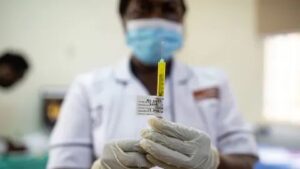
 

A new clinical trial is being conducted in Africa to test two HIV vaccine candidates called PrEPVacc. The study which aimed at testing the efficacy of the two vaccines, in addition to, offering HIV prophylactic medications.


The trial is being done in Tanzania, Uganda, and South Africa, enrolling 1,513 participants who are between the ages of 18 to 40 years.


Its important to note that the three countries where this study is being conducted have a high prevalence of HIV, and they rank among top 15 countries in the world with high HIV burden, based on a 2022 report


UNAIDS estimates 630,000 people died from AIDS-related illness globally in 2022, while 39 million people are living with the virus, including 1.3 million people newly infected last year.


”This is an evolution of a previous vaccine RV144, not a revolution. These are both regimens which have never gone into efficacy study before. The best we feel, at the moment, that medical science can provide,” said the study Lead applicant and coordinator, Jonathan Weber, the director of the Imperial College Academic Health Science, London, the United Kingdom.


For more information on the study visit here.


The International Vaccine Institute (IVI), EuBiologics, and DEK Vaccines Limited (DEK) signs a memorandum of understanding (MoU) for the fill and finish of oral cholera vaccine in Ghana.


Through this partnership DEK will be authorized to purchase, locally fill and finish, and distribute the oral cholera vaccine. 


As at July 2023, the WHO Regional Office for Africa (AFRO) data revealed an estimated 211, 643 cholera cases and 3, 953 deaths have been recorded in the region.


”I’m very happy with this partnership with IVI and EuBiologics through which we are going to make oral cholera vaccine in Accra, Ghana to supply Africa, and we hope to do this with typhoid conjugate vaccine as well. This partnership has been very important because it’s bringing technology to Africa, and we hope that we can continue to work closely with IVI and participate in technology transfer so that we can spread it across Africa for the benefit of Africans,” said Dr. Kofi Nsiah-Poku, the Managing Director, DEK, Accra, Ghana.


For more information on this report visit here. 


A recent the Lancet Global Health publication reveals 1 in 3 sexually active men over the age of 15 are infected with at least one Human Papillomavirus (HPV) strain. In addition, the study shows around 1 in 5 men are infected with one or more cancer causing high risk HPV strains.


This means men serve as reservoir for the virus, increasing the risk of their partners getting infected. If your male partner is a carrier of the virus, your chances of getting the viral infection is high.


Furthermore, the health implications for you is that as you take steps to vaccinate yourself and your female child, also immunize your husband and boys. This ensures the immune system of a man is empowered with antibodies to clear the HPV infection. Thus, women won’t easily get infected.


The Human Papillomavirus (HPV) is responsible for cervical cancer, throat and neck cancer, cancer of the penis, anal cancer, genital warts, just to mention a few.


However, there are effective vaccines that are available to enable you prevent infection by both the low and high risk HPV strains.


You can access the study via this link.

To find out how to get immunized against HPV contact us here. 

Hello there,

Respiratory disease can be taxing to deal with. Would you want to know a bit about it?


It is any illness that affects the airways and lungs, impacting human respiration. Around 545 million people worldwide suffer from chronic respiratory disease, ranging from common colds to conditions like asthma, pneumonia, and influenza.


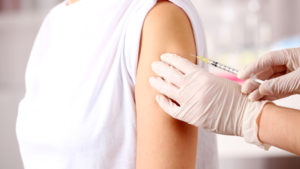
These diseases affect breathing, causing discomfort and reduced quality of life. Fortunately, vaccines, like for influenza, pneumonia, and COVID-19, helps prevent respiratory infections, reducing risks.


To breathe a sigh of relief, remain aware of these vital precautions.


TODAY’s FACT: Flu Unveiled!

“Influenza, or ‘flu’, is a contagious upper respiratory tract disease caused by the influenza viruses affecting the nose, throat, and lungs. It ranges from mild to severe, and potentially fatal. The virus spreads through coughing, sneezing, or talking, releasing infected droplets into the air. It can also be transmitted via contaminated surfaces and give symptoms like fever, headaches, sore-throat, body aches, and fatigue.


Vaccination is the most effective way in flu prevention, especially for the vulnerable-elderly, pregnant women, children under-five years, and those with chronic illnesses. The annual flu shot bolsters immunity against expected strains, easing symptom confusion with COVID-19 due to shared symptoms.


Maintain hygiene by covering of nose and mouth when coughing or sneezing and wash hands regularly to curb virus spread”.


Want to be free from potential breathing difficulties?


BOOK NOW


Have a wonderful week.


According to a publication in Vaccines Today, in France, trained pharmacists will be permitted to prescribe and administer vaccines.


Pharmacists played a major role in the uptake of the COVID-19 vaccines, and they’ve been granted permission to administer shots against diphtheria, tetanus, polio, pertussis, flu, HPV, measles, mumps, rubella, hepatitis A, hepatitis B, meningococcal B, pneumococcal, varicella, shingles, yellow fever, and rabies.


The only exception will apply to the administration of live-attenuated vaccines to immunocompromised individuals.


For more information visit here.


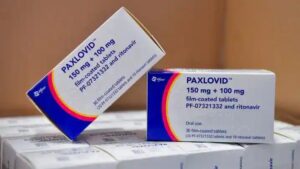
Paxlovid the antiviral medication developed by Pfizer remains a very important tool in our fight against COVID-19. This medication is important in saving the lives of patients for several reasons.


First, Paxlovid is an effective oral medication against COVID. This means it can easily be self administered by patients if guided by knowledgeable healthcare professionals on the right use of the medication. The medication has shown to reduce hospitalization and death by 89.1% and 88.9%, respectively.


Secondly, the medicine has a short duration of treatment. A five days course has proven to be effective in preventing the virus from replicating. This reduces viral load and prevents complications due to the corona virus infection.


In addition, it can be taken by almost everyone and is readily accessible. The most serious drug-drug interactions associated with the medication use are interactions with rivaroxaban and salmeterol, respectively.


Lastly, it might just be a vital tool in managing Long COVID. Some experts assume Long COVID might be as a result of persistence of the virus in the body of its host. This means if you stop the virus from replicating, you’re going to get less amount of viral particles in the body of the patient.


For more information on how to use and access Paxlovid contact here.  


A Pretoria High Court dismisses application brought by a physician association (IPA Foundation) that aimed at preventing pharmacists from managing and prescribing medicines to patients with HIV and tuberculosis. 


The approval means Patients Living With HIV (PLWH) will have increased access to their medicines at pharmacies that are taking part in the Pharmacy Initiated Management of Antiretroviral Treatment (PIMART) program.


”The untapped value of pharmacists in fighting HIV was also emphasized by the efficient role pharmacies played in meeting healthcare needs and providing healthcare services during the COVID-19 pandemic,” said the Pretoria High Court Judge, Elmarie Van Der Schyff.


According to UNAIDS, an estimated 7 million South Africans children and adults are living with HIV.


For more information on this update visit here


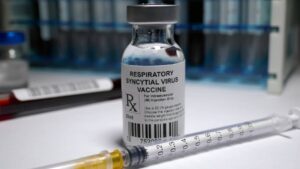
Pfizer gets the Food and Drug Administration (FDA) approval for her vaccine against the Respiratory Syncytial Virus (RSV). The vaccine will help protect infants, pregnant women, and individuals 60 years and above from the harmful effects of RSV.


RSV is a very infectious virus that affects the lungs and can lead to life threatening medical conditions like pneumonia, bronchiolitis, and congestive cardiac failure, if left untreated. Globally, every year, RSV is estimated to cause 33 million cases of infection and an estimated 199,000 deaths of children under five years.


‘This is a significant milestone in public health, its the first and only maternal immunization available to help pregnant women protect their infants from respiratory illnesses cause by the virus,’ says the Chief Executive Officer of Pfizer, Albert Bourla.


For more information on this visit here. To learn more about the vaccine visit here. You can learn about our previous updates by visiting here.


Introduction

Paxlovid is an oral antiviral medication developed by Pfizer for the treatment of corona virus disease.

To get the benefits of the medication you will have to take it for the recommended period.

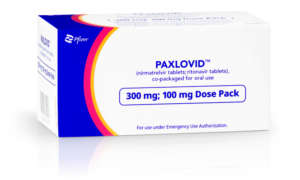
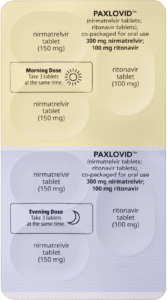
How is Paxlovid packaged

This simply is how the medication is packed in its pack and sachet.

One sachet of the antiviral medication contains nirmatrelvir 300 mg (two 150 mg tablets) co-packaged with 100 mg ritonavir tablet.

How do I take Paxlovid


The dosing recommendation or dose regimen is how you take the medication. This specifies the quantity of the medication you should take, the number of times in a day you should take it, and for how long. This determines whether you will get the benefits of the medication.


You’re advised to take two tablets of nirmatrelvir and one tablet of ritonavir. All three tablets should be taken together twice daily (every 12 hours) for a period of five days. This means you should take your first dose either in the morning or evening. This depends on the time your healthcare professional recommends.


The manufacturers recommend you consider the following when taking Paxlovid:

  • Do not remove your PAXLOVID tablets from the blister card before you are ready to take your dose
  • All tablets in a dose should be taken at once or one right after the other
  • Swallow tablets whole. Do not break, chew, or crush the tablets
  • PAXLOVID can be taken with or without food


For further information on how to get Paxlovid please contact us on 08160962414 or visit here for assistance.

You can read our previous article on three things you should know about Paxlovid here.