
Smiling young woman with a bandage on her arm after receiving the HPV vaccine.

Recent updates from the WHO suggest fewer HPV vaccine doses are needed to provide robust protection against cervical cancer.

HPV Vaccine Update: Why the Dose Schedule Was Modified (Part 1)

The HPV vaccine is a powerful tool used to prevent diseases, particularly cervical cancer, caused by the human papillomavirus. When the vaccines were first approved for public use between 2006 and 2014, the standard hpv vaccine dose schedule was rigorous. Generally, children aged 9 to 14 years received two doses, while individuals aged 15 and above were required to take three doses.

However, in 2022, the World Health Organization (WHO) updated these recommendations, suggesting fewer doses for specific age groups. Why was this change made? Extensive global research has revealed that fewer doses can be just as effective. Here is the science behind the new HPV vaccine guidelines.

HPV vaccine dose: Strong Immune Defense in Younger Girls

One of the key reasons for the change came from a major research in Canada. Scientists discovered that girls aged 9 to 13 who received just two doses of the HPV vaccine developed an immune defense that was non-inferior to—and in some cases better than—young women aged 16 to 26 who received the standard three doses.

In fact, the study showed that the younger girls produced significantly higher levels of virus-fighting antibodies after two doses compared to the older group after three. This suggested early on that younger immune systems respond very robustly to the vaccine.

Evidence from Large International Trials

Further evidence emerged by combining results from a large international trial (PATRICIA) and a specific vaccine trial in Costa Rica. Researchers tracked over 26,000 women for four years to see how well the vaccine worked in real-world scenarios.

The findings were groundbreaking: receiving just one or two shots of the HPV vaccine was as effective at protecting against the main cancer-causing virus types (HPV 16 and 18) as the standard three-shot schedule. This indicated that a reduced schedule could still offer high levels of protection.

The Power of a Single Dose

More recent studies have focused specifically on the efficacy of a single hpv vaccine dose. A pivotal study involving over 2,000 young women in Kenya found that receiving just a single shot of the HPV vaccine is incredibly effective.

Over the course of 18 months, the researchers found that one dose stopped 97.5% of dangerous, cancer-causing virus infections. This demonstrated that a single dose provides powerful protection, comparable to multidose regimens, for those who might otherwise go unvaccinated.

You can read the part two of the article here. To learn more about HPV message us on WhatsApp by clicking the icon on the bottom right of the page. You can consult a doctor to know if you’re eligible for the HPV vaccination here.

HPV vaccine: Close-up of a smiling Black woman with curly hair looking up towards the sky, wearing hoop earrings.

HPV: Protecting yourself is a powerful step toward a cancer-free future.

HPV Vaccines: Do the Vaccines Prevent Cancers?

Cancer occurs when abnormal cells in the body grow out of control and spread, causing severe health problems. The Human Papillomavirus (HPV)is a group of viruses linked to the development of several types of cancer.

While vaccines are available to fight this virus, many people ask: Do these vaccines really help prevent cancer? Here is what major scientific research has found regarding throat, anal, and cervical cancers.

1. HPV Vaccine: Throat and Neck Cancer

Researchers in Costa Rica conducted a study involving 7,466 women aged 18 to 25. Their goal was to see if the HPV vaccine could prevent infections in the mouth that can lead to throat and neck cancer. The study found that the vaccine was 93.3% effective at stopping these specific oral infections. This is significant news because it suggests that the vaccine provides strong protection against oral HPV infections, potentially preventing future oral cancers.

2. HPV Vaccine: Anal Cancer

Between 2004 and 2008, researchers studied 602 men to determine if the vaccine prevents anal cancer caused by the HPV virus. To ensure the results were applicable to different people, the research was conducted in seven countries: Australia, Brazil, Canada, Croatia, Germany, Spain, and the United States. Men who received the vaccine had significantly fewer dangerous infections and precancerous spots compared to those who did not. These results prove that the HPV vaccine is a safe and powerful tool for reducing the risk of anal cancer.

3. HPV Vaccine: Cervical Cancer

A major international study wanted to find out if the vaccine could stop HPV from causing serious changes in the cervix that lead to cancer. This massive trial included 12,167 women aged 15 to 26. The vaccine worked extremely well. It prevented 98% of serious cervical problems (high-grade lesions) caused by HPV types 16 and 18 in women. This confirms that getting the HPV vaccine significantly reduces the chance of developing conditions that lead to cervical cancer.

To find out about how to get the cervical cancer and other HPV related cancers prevention vaccine, consult Inocul8 today.


HPV Vaccine: What Effect Does It have on fertility?

James was worried about taking his daughters for the human papillomavirus (HPV) vaccination after hearing the vaccine caused infertility. 

The human papillomavirus (HPV) vaccine received authorisation for public use in 2006 to prevent diseases and cancers caused by the human papillomavirus. 

Parents are concerned that vaccinating their children against the human papillomavirus (HPV) might affect their ability to give birth later. Does the HPV vaccine cause infertility?

The HPV vaccine and its effect on fertility

Infertility is the inability of a couple to conceive after a year of regular and unprotected sexual intercourse.

According to the World Health Organisation (WHO), primary infertility is a situation where a woman has never gotten pregnant. Secondary infertility is when a woman has given birth earlier but now experiences difficulty in getting pregnant.

In the US, research conducted among women aged 18 to 33 found no link between the HPV vaccine and infertility. The scientists concluded that there was no evidence of a rise in infertility cases in women who received the HPV vaccine.

Similarly, a study was done to assess the effect of HPV immunisation on how easily women get pregnant. The experiment involved 3,483 women and 1,022 men participants. The researchers found that among women who had past sexually transmitted infections (STIs), the vaccine made it easy for them to become pregnant. 

A nationwide study was done in Denmark among 996,300 girls and women aged 11 to 34 years from 2007 to 2016. The researchers concluded that HPV vaccination is safe and doesn’t affect the ovaries of women nor their ability to conceive. 

In conclusion, if you’re a parent worried about the possible effect of the HPV vaccination on the fertility of your child. Don’t be troubled; scientific findings have shown that the vaccine has no negative effect on the fertility of those who received it. 

To learn more about the HPV vaccination, you can consult Inocul8 today and have our doctors provide you with detailed information.

Preventing HBV in Lagos: Inocul8’s 2019 World Hepatitis Day Outreach

Inocul8’s mission is to help people and families prevent infectious diseases, as we believe no one should suffer or die from illnesses that existing solutions can prevent.

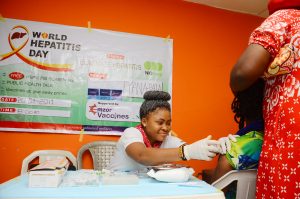
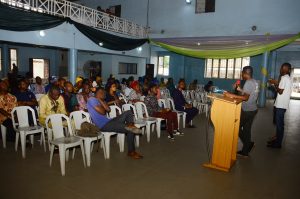
In 2019, to celebrate World Hepatitis Day (observed annually on July 28), we conducted a successful outreach program in Iyana Paja, Lagos State. The initiative focused on education, screening, and prevention.

Educating the Community

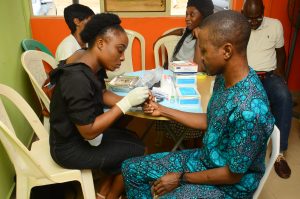
The outreach began with an educational session. Participants learned that hepatitis B is a liver disease caused by the Hepatitis B virus (HBV). They were strongly encouraged to participate in the screening exercise to determine their current status. We emphasised that individuals who tested negative should pursue vaccination.

Screening Participants for Hepatitis B

The Inocul8 team provided HBV screening to all participants, enabling them to know their infection status. The screening test works by detecting Hepatitis B surface proteins (HBsAg), which are present in anyone with the virus. The rapid test involves collecting a small blood sample and analysing it for these specific viral proteins.

Vaccination for Prevention

The final activity was offering vaccination to participants who tested negative for hepatitis B. The goal of the vaccination was to provide long-term protection against the infection in case of future exposure. Individuals require three doses of the vaccine to be fully immunised.

Meet the Founders

A long time ago, long before Inocul8 had a logo, a clinic, or even a name—a seed was planted.

Farmers say the best time to plant a tree was 20 years ago; the next best time is now. In many ways, that is how the Inocul8 story began: as a quiet seed of an idea that the future of health in Africa should be built on prevention, not on pain.

Inocul8 was officially founded in 2019 by Dr Osezua Momoh and Dr Emmanuel Egbroko, with a clear mission: to help families prevent communicable diseases. The spark for this mission, however, started years earlier. With a near-death experience Emmanuel had while serving as a Youth Corps member in Northern Nigeria.

Before Inocul8, they were just two young doctors in their twenties, full of questions and restless energy.

In 2016, Emmanuel and Momoh met at a Young African Leaders Initiative (YALI) Regional Leadership Center program at GIMPA in Accra, Ghana. Surrounded by other young leaders dreaming about the future of the continent, they began asking themselves a hard question:

“If we really want to change health in our country, where do we start?”

They both knew the truth: health insurance coverage was low, hospital wards were full, and people were still dying from diseases that had vaccines and simple preventive solutions. The more they spoke, the clearer it became—prevention wasn’t just important; it was the only logical starting point. Focusing on preventive healthcare, they decided, would be the best thing after sliced bread.

After YALI, life took them to different corners of Nigeria, but their shared mission followed them.

In December 2016, Momoh went to serve at Lagos State University Teaching Hospital (LASUTH), where he helped manage people living with HIV.

Emmanuel served at the General Hospital in Minna, Niger State, where he provided access to medications for patients living with HIV.

There, Emmanuel witnessed the reality of preventable disease up close:

  • He saw a high burden of hepatitis B among patients visiting the hospital.
  • He saw children on the streets who had lost their limbs to poliovirus infection.
  • He experienced communities struggling with poor access to clean water.

He carried these images with him and often called Momoh to share what he was seeing. Those conversations slowly turned into conviction: this was not how things had to be.

Then came the moment that changed everything.

In April 2017, Emmanuel fell critically ill and was hospitalised at the General Hospital in Minna with severe typhoid fever. Lying on the hospital bed, weak and unsure of what would happen next, he experienced firsthand what it meant to be on the other side of care—afraid, vulnerable, and dependent on a system already under pressure.

That hospital stay became his turning point.

It transformed their shared ideas from “someone should do something” into “we must build something.” That “something” eventually became Inocul8.

In Emmanuel’s words:

“We started Inocul8 to help people prevent infectious diseases because we didn’t want people to die from diseases that have affordable preventive solutions. I didn’t want people to experience what I went through in the hospital. I wanted access to prevention to be easy and convenient for everyone.”

From two young doctors with a shared conviction to a mission-driven brand, Inocul8 exists today because of one simple belief:

No one should suffer or die from a disease we already know how to prevent.

Purpose of the Inocul8 Brand

In Nigeria and across Africa, families like yours and mine often struggle to get simple preventive care. You may spend hours in a crowded clinic, only to see a health worker for a few minutes. Many people give up, delay vaccination, or fail to receive the protection they need.

Because prevention is hard to access, diseases like hepatitis B, the human papillomavirus (HPV), and other childhood diseases still quietly harm millions of people. Busy schedules, long distances to clinics, and confusing health information contribute to the burden. The system is not built around the real lives of families.

That’s why, since 2019, Inocul8 has been on a mission to make disease prevention easy, convenient, and timely for millions of Nigerians and Africans.

As a preventive healthcare brand, we bring you:
• Clear, simple information on how to protect yourself and your family
• Convenient access to disease prevention interventions such as vaccines and other preventive services, without the usual stress

Our purpose is simple:
To help families stay free from preventable diseases by making protection easy to understand and easy to get.

Stay in touch with us:

Instagram/Facebook: https://instagram.com/inocul8

TikTok: https://www.tiktok.com/@inocul8_global

Website: https://inocul8.com.ng/

WhatsApp: +2347063736485, +2349136095157 (bot)

Smiling young woman with curly hair standing confidently, symbolizing empowerment through HPV vaccination awareness.

A confident woman stands as a reminder that HPV vaccination empowers adults to protect their health at any age.

Funke was scrolling through posts on Facebook when she encountered content from a popular healthcare influencer on the human papillomavirus (HPV) vaccine and how it helps girls aged 9 to 14 prevent genital warts and cervical cancer.
“What about me?” she wondered. “I’m over 25 — can’t it help me avoid the pain and suffering from HPV-related diseases?”

Like Funke, you might be asking a similar question: Can adults over 25 get the HPV vaccine? This piece provides the burning answers you’ve been looking for.

What Are the Chances of Getting HPV After 25?

The risk of getting HPV after age 25 remains significant. The infection is most common during youth, especially because of social behaviours and risky lifestyles. In fact, within four years of becoming sexually active, about 63% of women become infected.

But the risk doesn’t end there — people over 25 can still catch HPV and remain at risk for the rest of their lives. Once infected, the virus might disappear or stay hidden in the body, only to come back later.

Unlike viruses such as chickenpox, getting HPV once doesn’t protect you from future infections. You can get infected again with the same or different HPV types, even if your body cleared the first infection.

Your chance of HPV infection after 25 increases with new sexual partners. This shows that natural protection doesn’t do much to defend against the virus throughout a woman’s life. In fact, many studies have shown a second rise in HPV cases after age 45 or 50, often around the time of menopause.

Why HPV Vaccination Matters for Adults

Over the past 30 years, people have been getting married later and more have experienced divorce. Because of this, it has become more common for people to have new romantic or sexual partners both before marriage and again in middle age, which adds to the ongoing risk of HPV.

If both young adults and older women still face this risk, why aren’t more adults being vaccinated? Some healthcare providers believe that older women must have already been infected, so the HPV vaccine for adults wouldn’t be useful. But is there a way to check if someone had HPV before getting vaccinated?

Currently, no commercial tests are available to confirm past HPV infections before vaccination. The tests that would be needed aren’t widely accessible, and even if they were, they would likely be expensive and difficult to use in many parts of the world — especially in regions like Nigeria and other low- and middle-income countries.

That’s why HPV vaccination for women over 25 remains one of the most practical and powerful ways to protect against cervical cancer, genital warts, and other HPV-related diseases.

In part two, we discussed what happened when the vaccine was administered to people over 25 years, and the result will amaze you. To learn more about HPV and how it can be prevented, you can follow us on Instagram or sign up for our newsletter.

Protect your little one with Hepatitis Screening During Pregnancy

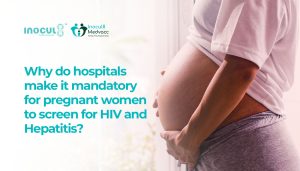
Pregnancy is a beautiful journey filled with anticipation, dreams, and heavy responsibility. While many women focus on eating right, taking vitamins, and attending routine checkups, one important health check often goes unnoticed—hepatitis screening.

My Story

In 2021, I was posted to a general hospital in a South-South state of Nigeria for my National Youth Service Corps (NYSC). Honestly, I wasn’t thrilled. I had hoped for a big city experience—Abuja, Lagos, or even Port Harcourt. I tried every connection I had, but nothing worked. Eventually, I packed my bags and made the long, bumpy journey to my new station. As I watched the endless stretch of bushes pass by, I cried. This wasn’t the NYSC I imagined, but everything changed when I arrived at the hospital. 

Next to the main hospital stood a beautifully structured building with the sign: “Maternity Referral Centre.” That building gave me hope—it stood as a testament to something good happening in that community. I soon learned from one of the nurses that the state government had built the Centre to reduce the high maternal death rate in the area. Most women in the community gave birth at home or with traditional birth attendants, without proper medical supervision. Sadly, complications were common. Many of these complications led to death.

Over time, some of these mothers and their babies would come to the hospital with unusual symptoms such as yellowing of the skin and eyes (jaundice). Most tests revealed that both mother and child were hepatitis positive. Shocked, many mothers would ask, “How could my baby have hepatitis?”

That question sparked a wave of awareness in the community about the importance of antenatal care, including hepatitis screening. Gradually, more women started showing up for proper checkups, and the maternity Centre became a beacon of hope and life. That experience solidified my passion for maternal health. Finally, I was starting to find purpose in this place.

Here is what every woman should know about hepatitis during pregnancy

Hepatitis

A viral infection that affects the liver and results in inflammation. 

There are 5 types of hepatitis: A, B, C, D and E.  Hepatitis B and C are the deadliest forms of Hepatitis, leading to chronic diseases which, if not properly managed, can lead to liver failure or liver cancers. 

How is Hepatitis B transmitted?

Hepatitis can be transmitted from person to person by direct blood contact, unprotected sex, sharing hygienic equipment like a razor, toothbrush or earrings, sharing needles, tattoos, piercings, barbers or during circumcisions and from a mother to her child during birth.

Hepatitis in pregnancy

Viral hepatitis in pregnancy increases the risk for pregnancy‐related complications, as well as the risks associated with acute and chronic liver disease for both the mother and the infant as a result of mother‐to‐child transmission (MTCT). When a woman is pregnant, undetected hepatitis increases the risk of transmitting the virus to her baby, either during pregnancy, childbirth, or breastfeeding (in the case of Hepatitis B). Hepatitis in pregnancy can result in preterm birth (premature baby), abruption of the placenta, low birth weight, fetal distress, still birth, acute liver failure, and in the mother, hypertension in pregnancy can be observed as reported also in the community where I served. 

Signs and symptoms to look out for

At the early stage of hepatitis infection, there are usually no signs. Absolutely nothing tells you something is wrong there, but as the virus continues to infiltrate the liver, you begin to notice jaundice (yellowing of the skin and eyes), dark urine, nausea, vomiting, abdominal pain and extreme fatigue. While these symptoms can also indicate other disease states, screening for hepatitis is the most effective way for you to know you have hepatitis.

Preventing Hepatitis

  • Get screened to know your status as early detection saves.
  • Vaccination provides over 95% protection against Hepatitis A and B.
  • Proper hygiene like, washing hands after using the toilet and eating properly washed and cooked food can help prevent infection with Hepatitis A and E.
  • Practice safe sex; using a condom.
  • Avoid sharing personal items and sharp objects.

Stay tuned for part 2. There you will see practical steps to keeping your baby safe.


There is currently a cholera outbreak in the Ijebu North Local Government Area of Ogun State. Information regarding this outbreak was conveyed on Sunday, September 17th, to encourage people to implement preventive measures.


Cholera is a sudden-onset diarrheal illness resulting from consuming food or water contaminated with the Vibrio cholerae bacterium. It continues to pose a worldwide public health risk and serves as an indicator of social inequality and insufficient social progress.


Scientists have approximated that annually there are between 1.3 to 4.0 million cholera cases and 21,000 to 143,000 cholera-related deaths occurring globally. 


“There is a Cholera outbreak (known as Aarun òní gbá méjì) in the Ijebu North Local Government area of Ogun State. Cholera typically occurs during rainy seasons and can be linked to inadequate environmental conditions and personal hygiene. Its symptoms often include diarrhea, sometimes accompanied by vomiting, which can lead to severe dehydration. Cholera can be fatal if prompt treatment to correct dehydration is not administered,” stated the Special Adviser to the governor on Health and commissioner-designate, Tomi Coker.


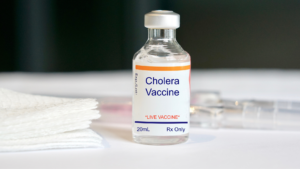
The effective control of cholera and the reduction of fatalities require a comprehensive approach that encompasses various strategies. This includes surveillance, improvements in water and sanitation, hygiene promotion, social mobilization, treatment, and the utilization of oral cholera vaccines.


For more information on how to access the oral cholera vaccine please contact us on 07063736485.


This week, we take a deep dive into the most asked-about diseases from last week’s edition – MMR.


The MMR disease, also known as Measles, Mumps, and Rubella, is a combined term encompassing three distinct viral infections that are highly contagious, each with its own symptoms and severe complications that can lead to death.


According to the World Health Organization (WHO) statistics report, between 2000 and 2021, measles vaccination played a pivotal role in preserving the lives of 56 million individuals. However, despite the existence of a safe and affordable vaccine, 2021 witnessed a distressing figure of approximately 128,000 measles-related fatalities worldwide, predominantly among children under the age of 5 who were either unvaccinated or insufficiently vaccinated. In 2022, only 83% of children worldwide received their initial measles vaccine dose by the age of one, marking the lowest vaccination rate since 2008.


In The News: Is MMR trying to make a comeback?

In London, parents are being issued a 21-day isolation notice if their children’s measles vaccinations are not up-to-date. The UK Health Security Agency has raised concerns about the potential for tens of thousands of cases, and is urging more people to get the MMR vaccine to prevent a major outbreak.


You need not worry because the MMR vaccination can provide protection for both you and your child.


Measles is an extremely contagious disease caused by a virus that can result in complications such as brain injury, pneumonia, and even death. Symptoms include fever, rash, runny nose, cough, and red or watery eyes. The virus spreads through respiratory droplets when an infected person coughs or sneezes and can remain active in the air for up to 2 hours, making it highly infectious.


Mumps, also caused by a virus, leads to symptoms like fever, headache, tiredness, and loss of appetite. Swollen cheeks or a swollen jawline, known as parotitis, is a characteristic sign of the disease. It also spreads through respiratory droplets from an infected person and can result in complications such as testicular inflammation in males and ovarian inflammation in females, which, although rare, can be serious.


Rubella, often called German measles causes symptoms like fever, a sore throat, rash, and itchy eyes. It primarily affects children, and they usually recover quickly with no lasting effects. However, it poses a significant risk to pregnant women if they become infected, potentially causing birth defects like deafness, blindness, heart defects, or intellectual disabilities.


The most effective way to prevent these diseases is through vaccination. The MMR vaccine is both safe and efficient in preventing Measles, Mumps, and Rubella, along with their associated complications. This vaccine has substantially lowered the occurrence of these diseases, underscoring the crucial role of immunization in safeguarding public health.”


Get vaccinated against MMR disease today!


CLICK HERE TO BOOK NOW

If you liked this newsletter, please share it with your friends, and if someone shared this with you, please subscribe here.