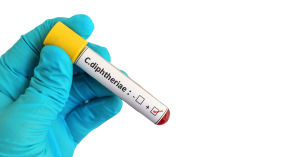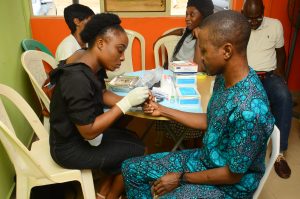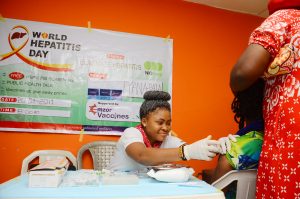
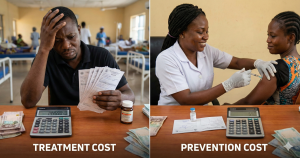
A visual breakdown showing the stark contrast between the unpredictable, high HPV treatment cost in Nigeria and the fixed, affordable investment of vaccination.
HPV: What’s The True Cost of Prevention vs. Treatment in Nigeria
When it comes to your health and your wallet, one critical question often arises: Is it cheaper to treat a disease or to prevent it? Regarding the Human Papillomavirus (HPV), the answer is financially and medically clear. Prevention through the HPV vaccine costs significantly less than the burden of treatment.
HPV is not just a small infection; it is a leading cause of genital warts and serious conditions like cancers. Once an HPV-related disease develops, the road to recovery can be long, emotionally stressful, discomforting, and incredibly expensive.
In this article, we determined the real costs of HPV treatment versus vaccination in Nigeria.
HPV Treatment Cost in Nigeria: A Breakdown of Warts & Cancer Fees
Many people ignore the financial implications of HPV infections until the signs and symptoms begin. If you develop genital warts, the treatment costs rise quickly.
1. Creams and Medications
For the initial treatment of genital warts, doctors often prescribe topical creams. However, these are not one-time costs.
-
Podophyllin cream: This typically costs between ₦3,000 and ₦10,000 per pack. Unfortunately, a single bottle is rarely enough to manage the warts. It doesn’t completely clear the bumps like tissues. And if you buy the paint dosage form or use it inappropriately, it burns your genitals.
- Imiquimod cream: This medication, which helps boost the body’s immune response, is more effective but comes with a higher price tag. A treatment course typically costs between ₦15,000 and ₦50,000.
2. Medical Procedures
If creams fail to remove the warts, patients are often referred for physical procedures. These methods are invasive and require repeated hospital visits.
- Cryotherapy: This involves freezing the warts off. The cost ranges from approximately ₦10,000 to ₦25,000 per session. Since multiple sessions are often required, the total bill can easily double or triple.
- Laser Therapy: For stubborn cases, laser therapy can effectively burn off infected tissue. This procedure is significantly more expensive, costing ₦50,000 to ₦100,000 or more, depending on the facility.
- Immune Therapy: This trains the immune system to prevent the recurrence of warts. Restoring normal life. It costs about #250,000 to #350,000, involving multiple visits. It’s the most effective and gives sustained results.
3. The Cost of Cancer Care
The most severe consequence of untreated HPV is cancer, particularly cervical and throat and neck cancer. The financial burden here is devastating.
-
Comprehensive Care: Between immunotherapy, surgery, chemotherapy, and frequent hospital admissions, care can cost hundreds of thousands to millions of naira.
-
Long-term Impact: For many Nigerian families, these costs are unsustainable, creating a significant debt burden.
Why HPV Vaccination is the Smarter Choice
Now, let’s compare those unpredictable treatment costs to the fixed, one-time cost of prevention.
The HPV vaccine price in Nigeria generally ranges from ₦60,000 to ₦120,000 per dose. Since most adults require two doses for full protection, the total investment is roughly ₦100,000 to ₦220,000. This depends on the vaccine brand and the immunization centre offering the service.
HPV Treatment Cost in Nigeria vs. Vaccine Price: The Financial Verdict
For a maximum of roughly ₦120,000, you gain years of protection against the most dangerous strains of HPV.
-
Vaccination: ~₦200,000 (Total for full protection).
-
Treatment: Can range from ₦50,000 for minor procedures to millions of naira for cancer care.
Research from health economics studies in Nigeria confirms that HPV vaccination is not just safer—it is far more cost-effective. By choosing the vaccine, you avoid the recurring costs of creams, the pain of procedures, and the massive expense of cancer treatment.
Protect Your Health and Your Finances Today
Choosing HPV vaccination is an investment in a healthier, debt-free future. It protects you and your family from unnecessary medical bills and severe health risks.
Prevention is smarter. Prevention is cheaper. And it starts with the HPV vaccine.
Ready to take action? Visit the Inocul8 nearest access point, or contact our careline today on 07063736485 to book your appointment.