
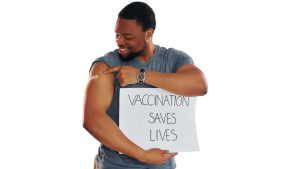
What Is It? Who Needs It
If you’ve been asking what is the Hepatitis B vaccine, here’s the simple answer: it’s a vaccine that protects you from hepatitis B, a virus that infects the liver and can become a long-term (chronic) condition.
Hepatitis B is spread when infectious blood or body fluids enter the body—through percutaneous (skin puncture) or mucosal exposure. Because many people may not know they have hepatitis B, prevention is a smart, proactive health move.
What Is the Hepatitis B Vaccine?
What is the Hepatitis B vaccine? It’s an immunization that helps your body build protection (immunity) against the hepatitis B virus (HBV), lowering your chances of getting infected and developing complications.
Public health guidance notes hepatitis B is vaccine-preventable and explains the main transmission routes via exposure to infectious blood/body fluids. The vaccine has also been used for decades, with strong evidence supporting its safety and effectiveness.
For background reading, you can also see: (CDC).
What Is the Hepatitis B Vaccine Preventing?
When people ask what is the vaccine preventing, the key point is: it helps prevent hepatitis B infection—which can be acute (short-term) or chronic (long-term).
Chronic hepatitis B can increase the risk of serious liver disease, including cirrhosis and liver cancer. (WHO).
How Hepatitis B Spreads (So You Understand Your Risk)
Hepatitis B is transmitted through percutaneous (puncture through skin) or mucosal exposure to infectious blood or body fluids.
In everyday life, risk can come from situations like:
-
Sexual exposure (especially outside a long-term mutually
-
Sharing needles or other injection-related exposure
-
Occupational exposure for heals
-
Household contact with (HBsAg positive)
-
Dialysis and ss that raise exposure risk
This is why the hepatitis B vaccine matters: the vaccine protects you from the virus.
Who Needs It: What Is the Hepatitis B Vaccine Recommended For?
The hepatitis B vaccine is recommended for everyone. Adults 19–59 should take it.
Children receives their first shot within 24 hours after birth.
You should strongly consider the vaccine if you’re sexually active and not in a long-term mutually monogamous relationship
What are the Vaccine Side Effects?
Most people tolerate it well. ACIP notes the vaccine demonstrated safety, immunogenicity, and efficacy over decades.
Common, mild side effects
-
Soreness at the injection site
-
Mild fever
-
Headache
-
Feeling tired for a day or two
Serious allergic reactions are rare, but if you’ve ever had a severe ale ingredient, tell your clinician first.
For additional safety information: (CDC Hepatitis B Vaccination).
Do You Need Testing Before Vaccination?
Yes. Most times clinicians may recommend blood testing (based on your history). But ACIP clearly states that lack of access to serologic testing should not be a barrier to vaccination of people who are susceptible and recommended to receive the vaccine.
In simple terms: your clinician will guide testing when needed, but testing shouldn’t stop you from getting protected.
FAQs:
What is the Hepatitis B vaccine?
Children and adults who are not yet infected by the virus.
Who should get it?
All adults 19–59 years are recommended to get vaccinated, and adults ≥60 should get vaccinated if they have risk factors (and may also get it even without known risk factors).
What if I missed my second or third dose?
If your schedule is interrupted, ACIP notes the series does not need to be restarted—you simply continue from where Safe.
Next step: Get protected at Inocul8 Clinic
Book a hepatitis B vaccination

