
Hantavirus: What the World Needs to Know About This Dangerous Rodent-Borne Virus

Hantavirus is a rare but serious disease that has gained global attention because it can cause severe lung and kidney problems. Although infections are uncommon, outbreaks can happen in many parts of the world, including Asia, Europe, North America, and South America. Understanding how hantavirus spreads and how to prevent it can help save lives.
What Is Hantavirus?
According to the CDC, hantaviruses are a group of viruses mainly carried by rodents such as rats and mice. Humans can become infected when they come into contact with rodent urine, saliva, or droppings. Different types of hantaviruses can cause two major illnesses:
- Hantavirus Pulmonary Syndrome (HPS) – affects the lungs and is more common in the Americas.
- Hemorrhagic Fever with Renal Syndrome (HFRS) – affects the kidneys and is more common in Europe and Asia.
Scientists first identified hantavirus during the Korean War in the 1950s, when many soldiers became seriously ill with fever and kidney failure. Since then, researchers have discovered many hantavirus strains around the world.
How Is Hantavirus Transmitted?
Hantavirus spreads mainly through infected rodents. People usually become infected by breathing in tiny virus particles from contaminated dust. This can happen while:
- Cleaning sheds, barns, or garages
- Sweeping areas with rodent droppings
- Camping in rodent-infested places
- Handling firewood or stored materials
Research on hantavirus spread showed that in rare cases, infection can happen through rodent bites or direct contact with broken skin. Most hantaviruses do not spread between people. However, the Andes virus in South America has shown limited person-to-person transmission.
Signs and Symptoms of Hantavirus
Symptoms usually appear 1 to 8 weeks after exposure to infected rodents. Early symptoms may feel similar to the flu and include:
- Fever
- Fatigue
- Muscle aches
- Headaches
- Chills
- Nausea and vomiting
- Abdominal pain
As the disease worsens, patients may develop coughing and shortness of breath because the lungs begin filling with fluid. Severe cases can quickly become life-threatening.
The WHO Europe states that HFRS patients may also experience:
- Low blood pressure
- Bleeding problems
- Kidney failure
- Blurred vision
- Severe back pain
A study showed, some hantavirus infections have fatality rates between 35% and 50%, especially severe lung infections.
How Is Hantavirus Diagnosed?
Doctors diagnose hantavirus using:
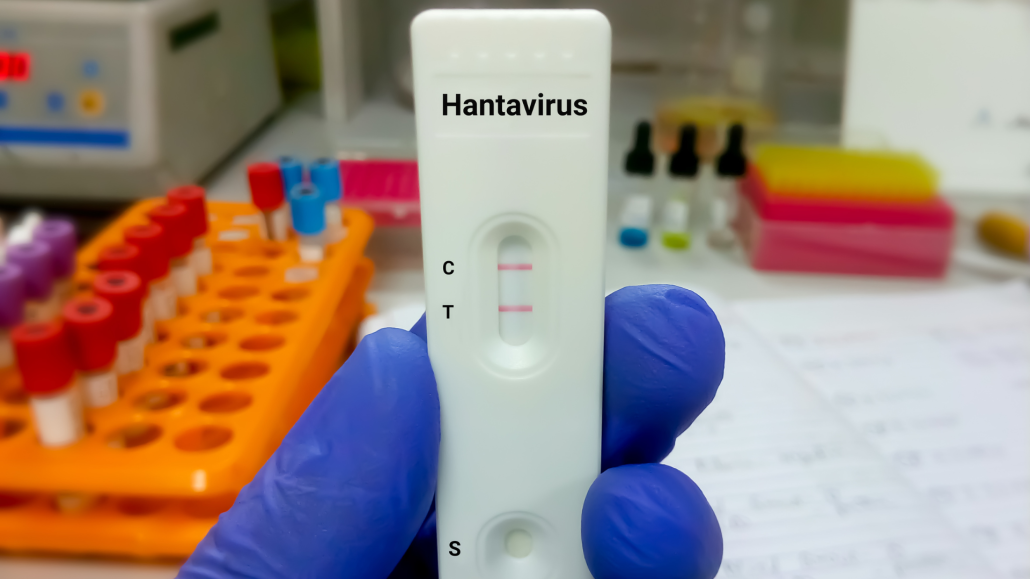
- Blood tests to detect antibodies
- PCR tests to identify viral genetic material
- Patient history, especially possible rodent exposure
Because early symptoms look like flu or COVID-19, hantavirus can sometimes be difficult to diagnose quickly. Fast medical care is very important because severe symptoms can develop suddenly.
How Can People Prevent Hantavirus?
Prevention focuses on avoiding contact with rodents and keeping homes clean.
Safety Tips
- Seal holes in homes and garages
- Store food in sealed containers
- Use traps to reduce rodent populations
- Wear gloves and masks while cleaning rodent-infested areas
- Spray disinfectant before sweeping droppings
- Avoid stirring up dust in closed spaces
The CDC also recommends ventilating closed buildings before cleaning them.
Are There Vaccines for Hantavirus?
CDC reports that at this time, there are no FDA-approved hantavirus vaccines in the United States or Europe. However, China and South Korea have used vaccines against some hantavirus strains with moderate success as reported by research findings. Scientists are also researching DNA vaccines and virus-like particle vaccines.
How Fast Could We Get a New Vaccine?
Modern vaccine technology could speed up future vaccine development. During global outbreaks, researchers may create vaccine candidates within months. However, testing for safety and effectiveness usually takes much longer. Experts continue to study better vaccines because hantavirus remains a global health concern.
What Should People Do During an Outbreak?
If there is a hantavirus outbreak:
- Avoid areas with rodent infestations
- Follow public health warnings
- Seek medical attention for flu-like symptoms after rodent exposure
- Clean carefully using disinfectants
- Wear protective equipment when handling contaminated materials
Communities should also improve rodent control programs and educate the public about safe cleaning practices.
Conclusion
Hantavirus is a serious disease spread mainly through infected rodents. While infections are rare, the illness can become deadly very quickly if not treated early. Knowing the symptoms, practicing good hygiene, and reducing contact with rodents are the best ways to stay safe. Researchers continue working on vaccines and treatments, giving hope for better protection in the future.
Inocul8 is a preventive health focused company that helps people, families, and organizations prevent infectious diseases.
References
- CDC – About Hantavirus: CDC Hantavirus Information
- Avšič-Županc T. et al. Hantavirus infections
- Kruger D.H. et al. Hantaviruses—Globally Emerging Pathogens
- MacNeil A. et al. Hantavirus Pulmonary Syndrome, United States, 1993–2009
- Brocato R.L. & Hooper J.W. Progress on the Prevention and Treatment of Hantavirus Disease
- Jonsson C.B. et al. A Global Perspective on Hantavirus Ecology, Epidemiology, and Disease

Leave a Reply
Want to join the discussion?Feel free to contribute!