
Hepatitis A vs Hepatitis B Vaccines: What’s the Difference?
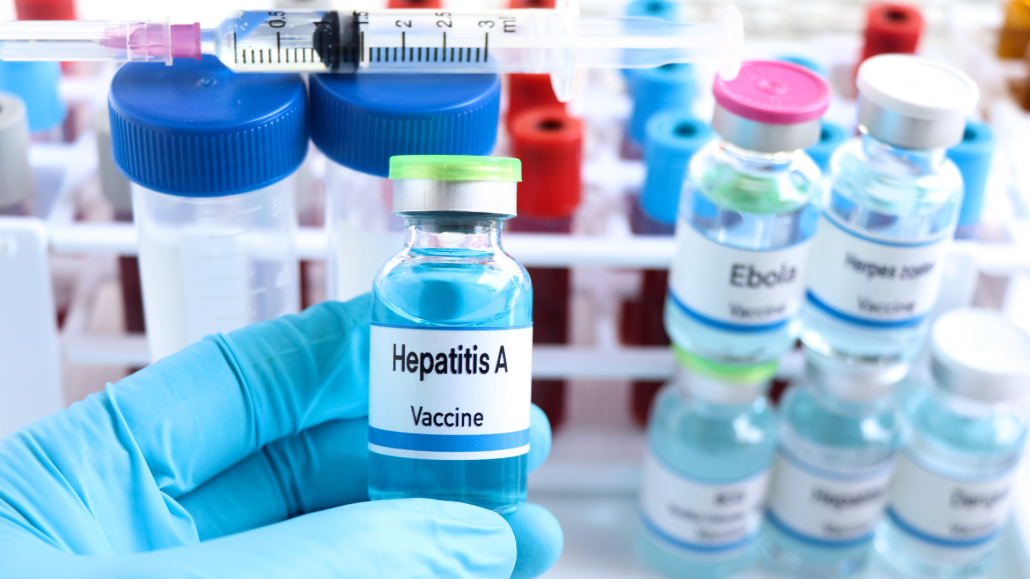
Hepatitis A and Hepatitis B are both viral infections that affect the liver, but they spread differently, cause different long-term health risks, and require different vaccination strategies. Understanding how the Hepatitis A and Hepatitis B vaccines work can help you make informed decisions about your health, travel plans, and routine immunization needs.
Both vaccines are considered safe and highly effective, and they have significantly reduced the global burden of liver disease. Research shows hepatitis vaccines provide strong long-term protection with excellent safety profiles.
What Is Hepatitis A?
Hepatitis A is a contagious liver infection caused by the Hepatitis A virus (HAV). It typically spreads through unprotected sex, contaminated food, water, or close contact with an infected person. According to the CDC, Hepatitis A usually causes an acute illness and does not lead to chronic liver disease.
Common symptoms include:
- Fatigue
- Nausea
- Fever
- Abdominal pain
- Loss of appetite
- Yellowing of the skin or eyes (jaundice)
Most people recover fully within weeks or months, but severe illness can occur in older adults or people with existing liver conditions.
What Is Hepatitis B?
Hepatitis B is caused by the Hepatitis B virus (HBV) and spreads through contact with infected blood or bodily fluids. Transmission can occur through unprotected sex, shared needles, or from mother to baby during childbirth.
Unlike Hepatitis A, Hepatitis B can become chronic and lead to serious complications such as:
- Liver cirrhosis
- Liver failure
- Chronic hepatitis
- Liver cancer
The World Health Organization and CDC recommend universal Hepatitis B vaccination because chronic HBV infection remains a major global health concern.
Hepatitis A vs Hepatitis B Vaccines: Key Differences
| Feature | Hepatitis A Vaccine | Hepatitis B Vaccine |
|---|---|---|
| Virus Type | HAV | HBV |
| Transmission | Contaminated food or water or unprotected sex | Blood and bodily fluids |
| Chronic Infection | No | Yes |
| Main Risk Groups | Travelers, food handlers, outbreak exposure | Healthcare workers, sexually active adults, infants |
| Vaccine Schedule | 2 doses | Usually 3 doses |
| Long-Term Protection | Yes | Yes |
| Cancer Risk | No | Yes, liver cancer |
How Effective Are These Vaccines?
Studies consistently show both vaccines are highly effective.
A systematic review found inactivated Hepatitis A vaccines demonstrated effectiveness rates between 82% and 95% with strong safety outcomes.
For Hepatitis B vaccines, research over 30 years showed seroprotection rates above 96% in healthy children after the standard vaccination schedule.
Newer Hepatitis B vaccine formulations may provide even stronger immune responses in adults. A 2021 clinical trial reported higher seroprotection rates with a tri-antigenic Hepatitis B vaccine compared to traditional single-antigen vaccines.
Is There a Combined Hepatitis A and B Vaccine?
Yes. Combination vaccines such as Twinrix protect against both Hepatitis A and Hepatitis B in a single shot series.
A large systematic review found combined Hepatitis A and B vaccines produced strong long-term immunity and safety profiles similar to individual vaccines.
Combined vaccines are especially useful for:
- International travelers
- Healthcare professionals
- People with chronic liver disease
- Adults at increased infection risk
Who Should Get Vaccinated?
Hepatitis A Vaccine Recommendations
The CDC recommends Hepatitis A vaccination for:
- Children aged 12–23 months
- International travelers
- People with chronic liver disease
- Men who have sex with men
- People experiencing homelessness
- Individuals during community outbreaks
Hepatitis B Vaccine Recommendations
The CDC now recommends Hepatitis B vaccination for all adults aged 19–59 years, in addition to infants and high-risk populations.
High-risk groups include:
- Healthcare workers
- People with multiple sexual partners
- Injection drug users
- Individuals with diabetes or chronic liver disease
Are Hepatitis Vaccines Safe?
Yes. Extensive clinical research confirms both vaccines have strong safety records.
Most side effects are mild and temporary, including:
- Injection site soreness
- Mild fever
- Fatigue
- Headache
Serious adverse reactions are extremely rare. Multiple reviews and CDC recommendations support the continued safety and effectiveness of Hepatitis A and B vaccination programs.
Final Thoughts
The Hepatitis A and Hepatitis B vaccines protect against two different liver infections with distinct risks and transmission methods. Hepatitis A usually causes short-term illness, while Hepatitis B can become a lifelong infection linked to liver cancer and severe liver disease.
Vaccination remains the most effective way to prevent both infections. Whether you are planning international travel, protecting yourself at work, or following routine adult immunization guidelines, staying up to date on Hepatitis vaccines is a smart long-term health decision.
Get Vaccinated Today
To get vaccinated against hepatitis A and hepatitis B WhatsApp or call 07063736485.
You can visit our head clinic at Abraham Adesanya or any of our access point in Victoria Island, Surulere, Magodo, Ibadan, Benin City, Warri.
Leave a Reply
Want to join the discussion?Feel free to contribute!