
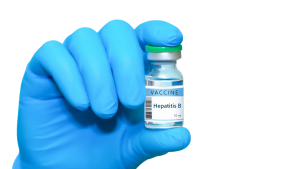
Introduction
The idea that a vaccine can prevent cancer may sound surprising. However, the Hepatitis B Vaccine Is Called the First “Anti-Cancer” Vaccine for a very good reason. Unlike most vaccines that only stop infections, this one goes a step further—it helps prevent a deadly form of cancer known as hepatocellular carcinoma (HCC), or liver cancer.
In this post, we’ll explore how this vaccine works, why it’s so important, and the science behind its cancer-preventing power.
What Is Hepatitis B and Why Is It Dangerous?
Hepatitis B is a viral infection that attacks the liver. It spreads through blood, body fluids, and from mother to child at birth. While some people recover quickly, others develop long-term or chronic infection.
Chronic Hepatitis B is dangerous because it can lead to:
- Liver cirrhosis (scarring of the liver)
- Liver failure
- Liver cancer (HCC)
In fact, Hepatitis B is considered one of the leading causes of liver cancer worldwide. Studies show that people with chronic infection have a significantly higher risk of developing HCC.
How the Hepatitis B Vaccine Prevents Cancer
Stopping the Root Cause
The Hepatitis B vaccine works by preventing infection in the first place. Since chronic infection is the main cause of liver cancer, blocking the virus also blocks the cancer pathway.
This is why experts consider it a primary prevention tool—it stops the disease before it even begins.
Breaking the Cancer Chain
Here’s how the process works:
- Hepatitis B virus infects the liver
- Long-term infection causes injury or inflammation
- Liver cells are damaged and regenerate repeatedly
- This increases the risk of mutations
- Mutations can lead to cancer
By preventing step one, the vaccine stops the entire chain reaction.
Proof That It Works
One of the strongest reasons the Hepatitis B Vaccine Is Called the First “Anti-Cancer” Vaccine comes from real-world evidence.
Taiwan Study Breakthrough
After Taiwan introduced universal Hepatitis B vaccination in 1984, researchers observed:
- A significant drop in liver cancer cases in children
- Reduced Hepatitis B infection rates
- Long-term protection into adulthood
According to research, liver cancer incidence in children declined dramatically after vaccination programs began.
Long-Term Global Impact
Large-scale studies also show that neonatal vaccination reduces liver cancer risk by up to 84% in some populations.
This is powerful evidence that vaccination doesn’t just prevent infection—it saves lives by preventing cancer.
Why It’s Called the First “Anti-Cancer” Vaccine
A Historic Medical Milestone
The Hepatitis B vaccine holds a special place in medical history. It was the first vaccine proven to prevent a human cancer.
Unlike treatments that fight cancer after it develops, this vaccine prevents cancer before it starts.
Unique Among Vaccines
Most vaccines target infectious diseases like measles or flu. But Hepatitis B is different because:
- The virus directly contributes to cancer development
- Preventing the virus prevents cancer
- It targets both infection and long-term complications
This dual benefit is what makes it groundbreaking.
Global Health Importance
Hepatitis B remains a major global health issue:
- Around 240–296 million people live with chronic infection
- Over 800,000 deaths occur annually due to complications like liver cancer
Because of this, the World Health Organization recommends universal vaccination for infants.
Early vaccination is especially important because infants infected at birth have a much higher chance of developing chronic disease.
Benefits of Early Vaccination
Getting vaccinated early offers several advantages:
- Prevents lifelong infection
- Reduces risk of liver disease
- Protects against liver cancer
- Helps control global disease spread
Universal vaccination programs have already shown dramatic success in reducing both infection rates and cancer cases.
FAQs
1. Why is the Hepatitis B vaccine linked to cancer prevention?
Because it prevents Hepatitis B infection, which is a major cause of liver cancer.
2. Is the Hepatitis B vaccine safe?
Yes, it is widely tested and considered very safe for all age groups.
3. Can adults still benefit from the vaccine?
Absolutely. Adults who are not vaccinated can still gain protection.
4. How many doses are needed?
Typically, 3–4 doses are given starting at birth.
5. Does the vaccine guarantee cancer prevention?
It greatly reduces risk but does not eliminate all causes of liver cancer.
6. Why is early vaccination important?
Infants are more likely to develop chronic infection, increasing cancer risk later in life.
Conclusion
The reason the Hepatitis B Vaccine Is Called the First “Anti-Cancer” Vaccine is simple yet powerful—it prevents a virus that causes cancer. By stopping Hepatitis B infection early, the vaccine interrupts the entire pathway leading to liver cancer. To prevent hepatitis B you can book your vaccination via the Inocul8 Booking portal.