
The Liver Works Hard for You: How to Protect The Liver

How to care for your liver and protect yourself from Hepatitis.

What is Hepatitis?

Hepatitis is a disease characterised by inflammation of the liver.

Hepatitis can be a viral or non-viral infection. Depending on the type, it is transmitted through contact with infected blood, bodily fluid or contaminated food.

There are five types of viral hepatitis named according to the alphabet – A, B, C, D and E

Non-viral Hepatitis can be gotten from excessive alcohol intake, and abuse or misuse of drugs like paracetamol.

Hepatitis B and C are the major causes of life-long (chronic) liver disease which can significantly damage the liver and lead to cirrhosis or liver cancer.

How can you tell that it is Hepatitis?

Symptoms of hepatitis can include jaundice (yellowing of the skin and eyes), fatigue, abdominal pain, loss of appetite, nausea, vomiting, and fever.

Here are four things you can do to care for your liver and protect yourself from Hepatitis.

1. Maintain a Healthy Lifestyle
  1. Eat a balanced diet of fruits and vegetables, whole grains like oats, lean proteins like chicken, fish, beans, and legumes and healthy fats like avocados, nuts, seeds, and olive oil.
  2. Avoid toxins and don’t overuse drugs like paracetamol.
  3. Exercise regularly and engage in only safe sex practices.
  4. Drink plenty of water throughout the day to help the liver function optimally and flush out toxins from your body.
2. Limit Alcohol Intake

If you drink alcohol, do so in moderation. For women, this means up to one drink per day, and for men, up to two drinks per day. Excessive alcohol consumption can lead to liver damage, including fatty liver, hepatitis, and cirrhosis.

Use this guide to quantify your drinks.
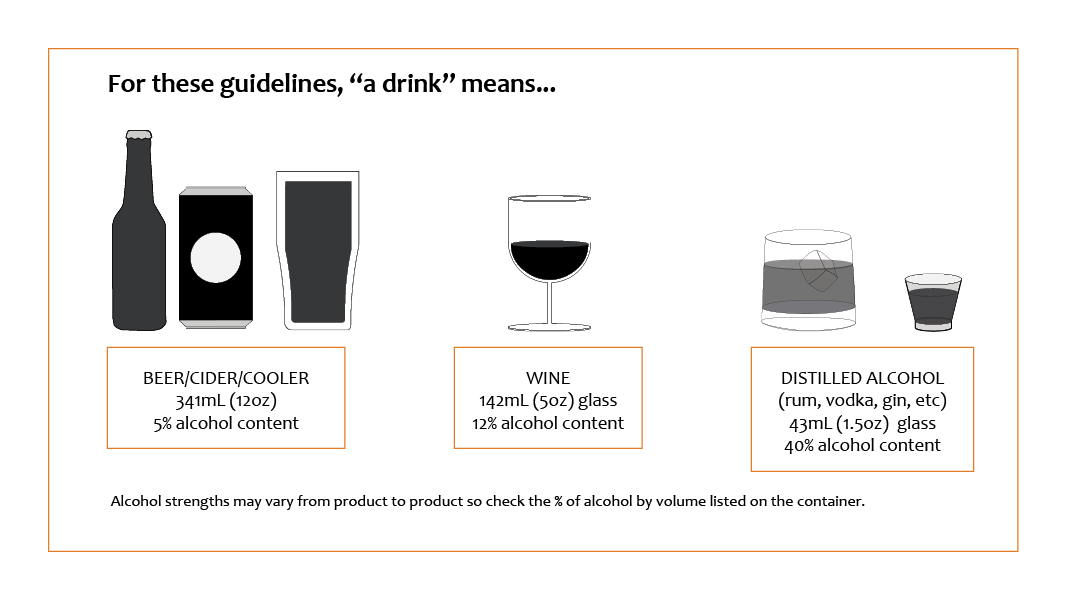
Guidance to determining what makes up one drink.341mL of 5% alcohol like beer, 142mL of 12% alcohol like wine, 43mL of 40% alcohol like rum, gin, vodka etc.

Based on the Canadian Guidance on Alcohol and Health.

3. Get Vaccinated

Protect yourself from Hepatitis A and B by getting vaccinated. These infections can cause serious liver damage- cirrhosis and liver cancer.

4. Carry Out Regular Health Checks

Schedule regular check-ups with your healthcare provider to monitor the liver’s health and catch any potential issues early. If you have risk factors for liver disease, such as a family history or chronic conditions, discuss appropriate screenings with your doctor.


Your liver is vital to your health. By making these small, manageable changes, you can protect yourself from hepatitis and support your liver’s health.

Share this information with family and friends to spread awareness about the importance of liver health.

Get tested, get vaccinated, and if you already live with hepatitis, explore our comprehensive myHealth plan to support and manage your life with hepatitis.

Click here to get started.

Is the Flu The Current Pandemic? Here is everything you need to know about it.

young person sneezing into a tissue. everything you need to know about the flu
What is the Flu?

Influenza, commonly known as the flu, is a contagious respiratory illness caused by influenza viruses.

What are some of the common symptoms?

Symptoms range from mild to severe: fever, cough, body aches, and fatigue.

How Does it Spread?

The flu primarily spreads person-to-person, with transmission possible before symptoms surface. Crowded places, close contact with infected individuals, and touching surfaces contaminated with the virus contribute to its rapid transmission. So, you can see that we’re all at risk of spreading and contracting it from each other.

We’re currently in a season where this infection thrives, and many people spread it by just coughing or sneezing.

How can we tackle this?

Annual vaccination with the flu vaccine (for the year) is a cornerstone, providing immunity against prevalent strains. Some medicines for allergies help reduce the duration and intensity of the infection.

How do you Protect yourself?

Adopting simple yet effective measures like good personal hygiene and regular handwashing can go a long way in protecting yourself and others. You should also avoid close contact with sick people and practice respiratory etiquette by covering your mouth and nose when sneezing or coughing.

Maintaining a strong immune system through a balanced diet, regular exercise, and adequate sleep enhances your body’s ability to ward off infections.


Here are answers to Some of Your Frequently Asked Questions

DOES THE VACCINE HAVE ANY SIDE EFFECTS

Common side effects are soreness, redness or swelling of the injection area. You may also experience mild effects of the ilness like minor hedache, fever or pain which will go away in a day or two.

WHO CAN TAKE THE FLU VACCINE?

Everyone from 6 months of age is eligible to get the flu vaccine

WHEN IS THE BEST TIME TO GET MY VACCINE?

It is best to vaccinate before the flu starts spreading in your area.

WHY IS THE FLU VACCINE TAKEN YEARLY

The flu viruses constantly change so an updated vaccine is produced annually to tackle the possible strains for the year.

WHERE CAN I GET THE FLU VACCINE?

You can get the influenza vaccine anywhere you choose -at home, your office or any of our vaccination access points in Lagos, Port Harcourt, and other select states nationwide.

DO I NEED TO MAKE A BOOKING?

Yes. Please book your appointment at cowva.com/booking or reach us via call/WhatsApp at +2347063736485 if you need further guidance.

Cervical Cancer Screening and Prevention: What Everyone Should Know


Embarking on a journey to safeguard your well-being starts with knowledge and proactive choices. In recognition of Cervical Health Awareness Month, we delve into some cervical health essentials by answering frequently asked questions.


Understanding the significance of early detection and prevention strategies can be pivotal in steering the course towards a healthier future for you and your family.


WHAT IS PAP SMEAR TEST?

This is simply a cancer screening test (most especially for Cervical cancer), which is done to detect any cell abnormality. It could also be done together with HPV Tests to identify if any of the high-risk strains are present within the body.


HOW LONG DOES THE PAP TEST TAKE?

The procedure for collecting the specimen doesn’t take more than 30 mins. The results are usually out anywhere between two to three weeks.


IS THE PAP TEST PAINFUL?

I wouldn’t say it is or isn’t; however, I will say that if there is pain, it’s a bearable one.

Women who have had to do the test or who have had to do a vaginal examination would relate better.


HOW ACCURATE IS A PAP SMEAR TEST?

It is highly accurate and recommended as the foremost means of cervical cancer screening.


HOW OFTEN IS THE PAP TEST NEEDED?

You need to do the test routinely every 3-5 years.


WHAT IS CERVICAL CANCER?

This type of cancer affects the Cervix ( mouth of the womb). It sounds serious, right? That is because it is, and we stress it a lot.


HOW COMMON IS CERVICAL CANCER?

Cervical cancer and Breast cancer are the two most common types of cancer in women, so yes, it’s pretty much common.


IS EVERY WOMAN AT RISK OF HAVING CERVICAL CANCER?

Yes, being of reproductive age and equally being sexually active is all the risk it takes. So yes, even girls as young as 13 are at risk once they hit puberty and engage in sexual activity.


WHAT CAUSES CERVICAL CANCER?

HPV. HPV has so many strains that cause different illnesses, but there are some specific cancer-causing strains (mostly type 16 and 18) which are very much present in Nigeria.

Smoking, overuse of contraceptives and autoimmune disorders also cause a small percentage of cervical cancer.


WHAT ARE THE SYMPTOMS OF CERVICAL CANCER?

Sometimes, it could be silent without symptoms, which is typical cancer behaviour until it gets serious. This is why we opt for regular Pap smear tests for early detection.

In later stages, symptoms could include:

    • pain in the pelvis (waist)
    • Pain during sexual intercourse
    • Abnormal, irregular, or heavy menstruation or even spotting.
    • Abnormal vaginal discharge or bleeding.
    • Fatigue
    • Weight loss and
    • Nausea


WHAT OTHER COMPLICATIONS CAN I GET FROM CERVICAL CANCER?

Having the cancer itself is all the complications a person could need.

Aside from the risk of the cancer spreading to other parts of the body, it would eventually lead to death if not detected on time or handled effectively.

Cervical cancer affects both the physical and mental health of people.


HOW CAN I PROTECT MYSELF FROM CERVICAL CANCER?

You can start by getting vaccinated against HPV, which is the leading cause of cervical cancer. This is a very important part of taking charge of your health.

Also, maintaining a good sexual habit by using condoms and sticking to a single sexual partner could drastically reduce the risk of exposure.


WHERE CAN I GET THE PAP SMEAR DONE?

You can book your HPV screening or pap smear and get it done in the comfort of your home anywhere in Lagos. Or visit any Inocul8 access point across the country. Call us or send us a WhatsApp Message at +2347063736485 or email us at clinic[at]inocul8.com.ng


WHERE CAN I GET THE HPV VACCINE?

Like the test, you can have the vaccination done anywhere you choose -at home, your office or any of our vaccination access points. Make your bookings at cowva.com/booking or reach us at +2347063736485 if you are unsure which HPV vaccine is right for you.