Talk Vaccines with Inocul82 min read
Shingles: Everything You Should Know
What is Shingles?
Shingles, also known as Herpes Zoster (HZ), is a painful medical condition caused by the varicella-zoster virus (VZV) the same virus responsible for chickenpox. After you recover from chickenpox as a child, the virus doesn't actually leave your body. Instead, it stays silent and dormant in your nervous system. As you age or during times when your immune system weakens, the virus can take advantage of your body's lowered defenses and reactivate as shingles. While anyone who has had chickenpox can get shingles, it is most common in adults aged 50 and older.
Who is Most at Risk for Shingles?
You're likely to suffer for shingles if any of the following applies to you:
History of chickenpox infection as a child
You're 50 years or older
Weak immune system due to medications or infectious diseases
Factors That Trigger Shingles Outbreaks
There are several things that can trigger and awaken the virus in your body and these include:
Emotional and psychological stress usually weakens your immune system
Medications that suppresses your immune system such as cancer treatment drugs, high dose steroids, and biological agents weakens the immune system leading to activation of the virus
Chronic diseases such as diabetes mellitus, kidney diseases, chronic obstructive pulmonary disease (COPD), asthma, and autoimmune diseases affects the ability of your body to fight viruses making it easy for the varicella-zoster virus to reactivates leading to shingles
Immune system is suppressed due to cancer, human immunodeficiency virus (HIV), or organ transplantation
History of cancer affects your body's capacity to fight viruses due to the cancer itself and the medications or radiation used for the cancer treatment
What Happens Before a Shingles Outbreak?
There are several stages you go through before you see the rashes and feel the pain that comes with shingles:
Stage 1: you feel a burning sensation, numbness, itching, tiredness, fever, or acute pain in the skin two to three days before the rashes or blisters appears. Your head may ache, you feel weak, and may become scared of light.
Stage 2: red rashes or blisters appear on one side of your body accompanied by severe pain. Areas of the body affected include the back, eyes, legs, neck, or face. The pain may last between 2 to 4 weeks or longer, and you might not feel relieved by taking pain reducing medications.
Stage 3: you experience tingling, burning or sharp excruciating pain, and shocks due to the nerve damages that lasts for months to years.
What medications are used to treat shingles?
Antiviral medications such as acyclovir, valacyclovir, brivudin, and famciclovir are used for the management of shingles. The goal of treatment is to reduce the intensity, frequency, and durations of symptoms while preventing complications. Although, they don't permanently clear the virus from your body, they help prevent outbreaks. A weakness of these medications is the ability of the virus to develop resistance which affects their effectiveness. Some should be carefully used in people with kidney problems.
The Shingles Vaccine
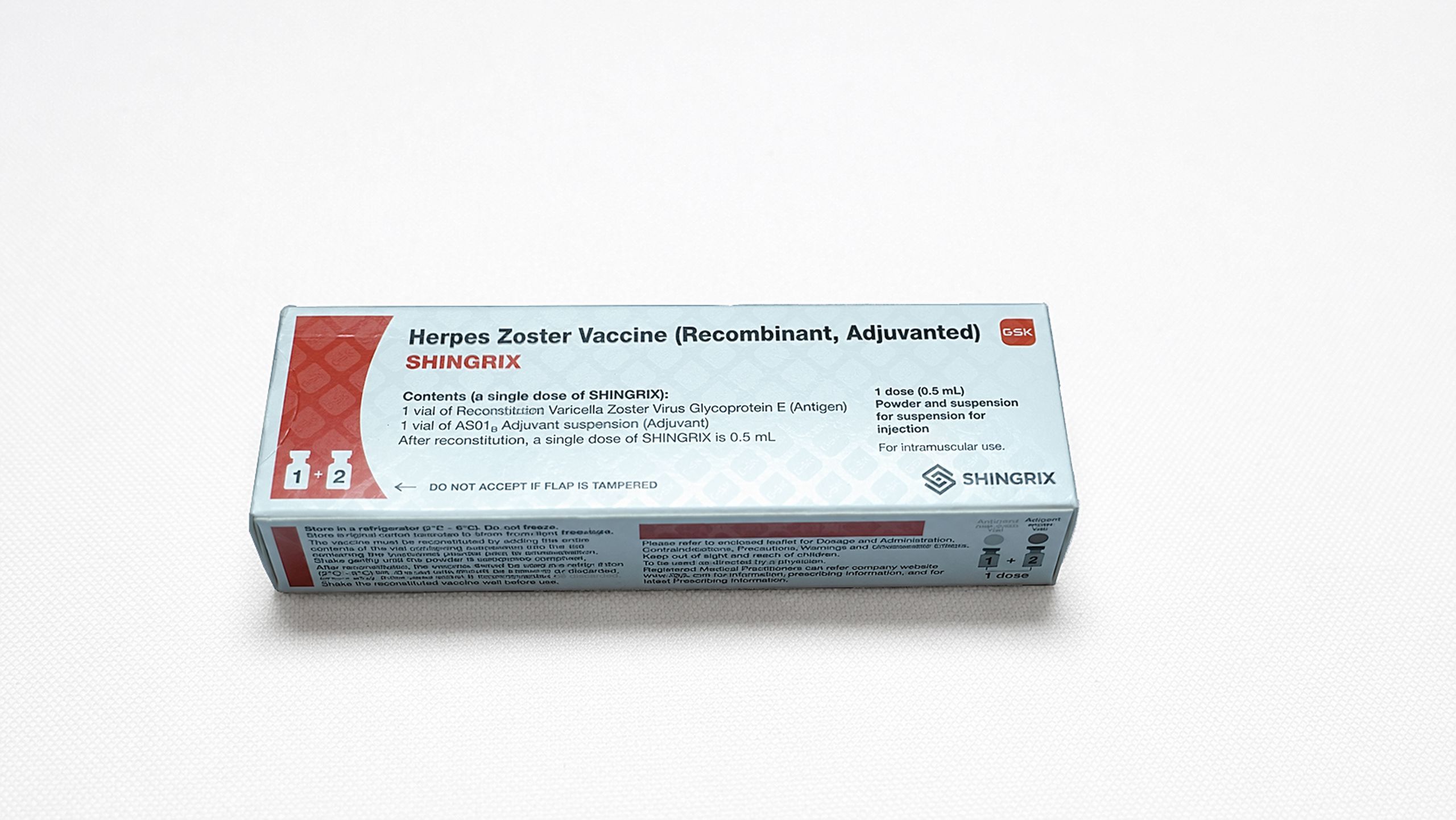
The shingles vaccine helps prevent the virus from being active thus helping you prevent the pains and complications associated with the disease. Initially, two types of shingles vaccines were available - Zostavax and Shingrix, for healthy older adults. However, Zostavax has been withdrawn from the market.
How Many Doses of Shingrix Do You Need?
You need two doses of the shingles vaccine given via the muscle at your start date and then 2 - 6 months apart for better protection.
How Effective and Safe Is the Shingles Vaccine?
The shingles vaccine have proven to be safe and effective. This has been demonstrated from use of the vaccine in healthy adult with strong immune system, compromised immune systems, and people with immune related disorders. For example, Shingrix does not contain the weakened form of the virus (live-attenuated) so it can safely be used in people with weak or compromised immune health.
Benefits of the Shingrix vaccine?
There are several benefits the vaccine offers you:
Ensures the virus remains inactive in your body thereby preventing it from causing disease
Gives you better quality of life enabling you prevent sleep disturbances, anxiety, and depression that comes with the disease
Helps your prevent the intense disabling pain that comes with the infection
Prevents blindness, partial or complete deafness, nerve problems, and other complications associated with the disease
Enables you to avoid hospitalization and hospital visits which takes your time and money when you experience shingles outbreak
How Much Does a Dose Cost in Nigeria?
A dose of the Shingrix vaccine costs #350,000 Naira.
What Are the Expected Side Effects?
The side effects most people are likely to experience include:
Local injection site discomfort
Fatigue
Mild muscle pain
Slight fever
Headache
These side effects can be managed using paracetamol but usually they disappear within 2 to 3 days.
What Can You Do to Manage Shingles Pain If You Can't Afford the Vaccine?
You doctor will recommend some of the following solutions:
Tricyclic antidepressant, selective serotonin inhibitors, and gabapentin or pregabalin to calm your nerves.
Vitamin B is helpful in ensuring your nerves remain in a good state.
Skin ointment containing capsaicin which is derived from pepper has shown to help alleviate the pain that comes with shingles.
Applying a cool, wet compress to the rash helps relieve pain and discomfort
For stubborn nerve pain, your doctor may recommend a lidocaine patch to numb the skin or a TENS unit (Transcutaneous Electrical Nerve Stimulation) to block pain signals.
Please note: Nonsteroidal anti-inflammatory drugs (NSAID) such as diclofenac and ibuprofen are not effective in relieving the shingles associated pain a research showed.
Frequently Asked Questions (FAQ)
If I’ve never had chickenpox, can I get shingles?
No. Shingles (herpes zoster) occurs when the dormant chickenpox virus already inside your body reactivates. You cannot get shingles without having previously had chickenpox.
If I had chickenpox as a child, what are my chances of getting shingles?
About 1 in 3 people (around 30%) who have had chickenpox will develop shingles later in life, usually as their immune system weakens with age.
How effective is the shingles vaccine?
Extremely effective. The Shingrix vaccine is over 97% effective at preventing shingles in adults aged 50–69, and around 91% effective for those 70 and older.
How many doses of the Shingrix vaccine do I need?
You need two doses. The second dose should be given 2 to 6 months after your first dose.
How long does the vaccine offer protection?
A study showed that vaccine provides strong protection for up to 10 years after receiving both doses.
Can I get the shingles vaccine alongside other vaccines?
Yes. You can safely receive the Shingrix vaccine at the same time as other adult vaccines, including the annual flu shot, COVID-19 vaccine, or pneumonia vaccine. To minimize discomfort, your healthcare provider will simply give the injections in different arms or at least one inch apart.
Can I get the shingles vaccine if I am currently sick?
No. If you have a moderate or severe illness (especially with a fever), it is best to wait until you have fully recovered before getting vaccinated. However, if you only have a mild cold, low-grade fever, or minor illness, you can usually still receive the vaccine.
Are there serious complications from shingles?
Yes. While many cases resolve without lasting issues, shingles can lead to severe complications, including:
Postherpetic neuralgia (PHN): Severe, long-term burning nerve pain that lasts long after the rash clears.
Vision loss or blindness: If the rash affects the eye area.
Nerve issues: Hearing loss, balance problems, or partial facial paralysis.
Where can I get the shingles vaccine in Nigeria?
You can access the Shingrix vaccine in Nigeria through Inocul8. To check vaccine availability, confirm pricing, or schedule an appointment:
Website: Visit Inocul8.
WhatsApp / Phone: Call or message +2347063736485
Direct Consultation: Reach out to our clinical team to guide you on the two-dose vaccination schedule via Inocul8 bookings.
I8
The Inocul8 Clinical Team
Written and medically reviewed by Inocul8’s preventive-health clinicians — trustworthy vaccine guidance for Nigeria. Last reviewed 20 September 2026.
Related reading
Ready to protect what matters most?
Book a vaccination or a free consultation today — at an access point near you.